

2026 ANNUAL MEETING
SEPTEMBER 22–23 | NEW YORK, NY
JOIN US
-

Attend in person
Be part of the action this fall. Register to join us in New York this September.
-

LEARN MORE ABOUT THE EVENT
See why you should join this community of doers.
-

Sign up to watch virtually
Stream the biggest moments from CGI 2026. Sign up to watch headline sessions live or on demand.
About the Meeting
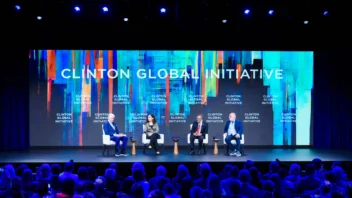
President Clinton, Secretary Clinton, and Dr. Chelsea Clinton will convene the Annual Meeting of the Clinton Global Initiative on September 22-23, 2026, in New York City, bringing together leaders from business, government, and civil society for a meeting focused on what’s working, and how we can bridge divides to solve our most urgent crises.
PUBLIC SESSIONS
 In Person
 Virtual
Hear from world-renowned leaders addressing urgent global issues:
AI for humanity
Affordability Crisis
Attention Economy
Breakthrough Science and Innovation
Creators Shaping Culture
Democracy in Flux
Clean energy
Leadership for a new era
Removing Barriers to Health
Humanitarian Aid in a New Era
Trust in Information
... and much, much more
WORKING SESSIONS
In Person
Back for a second year, these sessions are where participants come together to collaborate on pressing issues, share expertise, and build partnerships that drive action long after the conference ends. This year's sessions include:
Climate
Democracy and Rights
Education and the Future of Work
Health
Humanitarian Response
Impact Finance & Entrepreneurship
Narrative and Storytelling
Mental Health
Haiti Action Network
Ukraine Action Network


Get Involved
Join the Conversation
We invite you to join the conversation on social media by following our channels and using the hashtag #CGI2026.
How Do We Get It Right?
The world is undergoing profound and troubling shifts — from rising conflict and natural disasters to declining support for humanitarian programs, rapid technological change, and growing fragmentation in how people understand truth. In moments like this, it’s easy to focus on what’s going wrong and expect a future defined by division and inaction. It is harder — but far more important — to choose action. This session begins with a simple but essential question: “how do we get it right?” At a moment when it is tempting to accept today’s challenges as inevitable, CGI begins from a different premise: that progress is possible when leaders choose action over cynicism, partnership over polarization, and long-term solutions over short-term thinking. Because progress requires more than diagnosing what’s broken. It demands a clear, compelling vision of what success looks like — and the commitments, collaborations, and courage to achieve it. Join leaders and pioneers who are turning that vision into reality and help build the future in which we get more right than wrong, one commitment at a time.
Steering AI Innovation Toward Impact
Artificial intelligence is already reshaping how institutions serve the public — from streamlining public services and measuring impact to predicting needs and accelerating discovery. While AI can dramatically improve efficiency, the decisions about who benefits, whose voices are represented, and what values these systems reinforce remain profoundly human. Algorithms optimized for efficiency rather than nuance — built on patterns of how things have always been, rather than aspirations for where we want to go — risk doing more harm than good. Can AI help us do more with less in a time of resource constraints, or is it risking widening inequalities?
This session will explore both the promise and the peril of AI as a tool for social good, equipping attendees with practical frameworks for responsible adoption — across government, nonprofits, and the private sector — so that equity and resilience become outcomes of innovation, not casualties of it.
For The Win: Unifying Through Sports
Sports have opened doors diplomacy couldn’t. We’ll dig into how sports can be leveraged as a tool for bridging divides, shaping culture, and expanding equity.
Truth Behind the Trendlines: Reducing Gun Violence
Gun homicides in the U.S. are declining fast, and it isn’t luck. We’ll break down why community violence intervention is working and how to sustain it as funding shrinks.
Who Leads Now?
As we navigate a disrupted world and examine how to get it right to build the future we want to see at a time where everything is at stake, we need real leaders — yet many in power are retreating from their commitments to social good. This session brings together influential voices from business, government, philanthropy, and the civic sector who are continuing to step up to drive social impact while also filling the leadership gap in a moment that demands it. Together, they’ll explore what leadership looks like when the old playbook no longer applies and what it takes to build trust across sectors, mobilize resources creatively, and act with urgency and accountability.
Waste Not: Creating Value Through Food Upcycling
What if reducing food waste was a trillion-dollar opportunity? This session examines how to shift from linear “take-make-dispose” supply chains to upcycling models that reduce waste while creating new value.
Scaling Resilient Energy Infrastructure
The systems that power key aspects of our lives — from transportation to digital networks and more — were built for a different era. Climate change, geopolitical shifts, and accelerating AI are reshaping our world and demand a new energy infrastructure that is more resilient, adaptable, and designed for the future. Energy demand is expected to surge by nearly 50% globally over the next 20 years, primarily driven by industrialization in developing countries and a massive surge in overall energy consumption, especially as AI usage and capability rapidly scales. As our needs for energy increase, how do we get new energy right, protecting the planet while powering our lives at scale? In this session, private- and public-sector leaders will paint a picture of how they practice principles of resilience as they build the energy systems that will manifest our future.
The Long Case: Litigating for Lasting Change
The courtroom is now a primary stage for changemaking, not just a last resort. We’ll get into strategies for effective legal action for social impact, when to litigate versus organize, and how to adapt as the rules keep shifting.
Unlocking New Capital for Change
The world’s biggest challenges are not limited by a lack of solutions, rather they are limited by whether those solutions can access the resources needed to grow and create lasting change. This session will explore how leaders are changing the way we think about investment by asking new questions: What do we value? Who takes on risk? And how can we ensure capital reaches the ideas and communities with the greatest potential for impact? Through examples from gender lens investing, catalytic capital, and public-private partnerships, speakers will share how new approaches are opening pathways for investment in solutions that traditional markets have overlooked. The conversation will explore how governments, philanthropies, investors, and entrepreneurs can work together to build a more effective and inclusive approach to financing change.
To Be Announced
Keep Going
Across democracy, public health, humanitarian response, and other urgent fields, new and protracted crises are demanding attention and resources we just don’t have. Institutions and systems that put people first are under threat, and imperative progress is at risk of backsliding. Leaders are working amid constrained resources, eroding trust, and organized efforts to dismantle institutions and reverse hard-won gains. They must respond to immediate threats while continuing to build for the future—a challenge that demands courage, imagination, and stamina in equal measure. Members of the CGI community have always refused to give up or give in. This plenary will bring together people who have carried consequential work through attacks, setbacks, and uncertainty—some of them for decades. We will celebrate hard-earned wins, explore solutions that are making a real difference and have the potential to scale, and remind ourselves that progress always begins by the simple act of putting one foot in front of the other.
Getting Disruption Right
From breakthroughs reshaping health outcomes, democracies, the global economy, and our environment, the innovation landscape is moving fast — and there’s real reason for excitement and hope. But as new technologies and strategies solve for legacy problems, they inevitably surface new ones. Transformative disruption at its best doesn’t just move fast and break things; it replaces systems that no longer serve us with ones that actually work.
This session explores the tension at the heart of innovation: how do we push boldly into the unknown while staying anchored to safety and ethics? Where does responsibility lie — with innovators, institutions, or the systems built to govern them — when the stakes are this high? And what separates disruption that builds trust from disruption that erodes it?
Together we’ll hear from the innovators as well as the institutional voices who are navigating the growing need to both fuel and govern change, to understand what it will take to get it right as the pace and complexity of disruption keep accelerating.
Powering Scientific Breakthroughs
From climate change to infectious diseases, chronic illness, and food security, many of the world’s greatest challenges will only be solved through scientific discovery. With so much at stake, our progress can’t be incremental: it will demand leapfrog breakthroughs, moonshot projects, and disruptive technologies. Yet just as the need for scientific innovation has never been greater, public investment in research is facing growing uncertainty. In the United States, billions of dollars in federal funding have been cut or frozen, delaying life-saving medical research, slowing clinical trials, disrupting climate science, and threatening the pipeline of future discoveries. As we envision a global future teeming with possibility rather than constraint, how can we sustain and scale scientific breakthroughs against our current backdrop? In this session, join leaders from science, government, philanthropy, and industry who are working to collaboratively forge the future we deserve.
The Inside Game: Partnering with Gen Z for Global Change
Gen Z is the most activist generation alive and now accounts for nearly 30% of the global workforce, but their trust in legacy institutions is low. We’ll explore what earns this generation’s trust and how to partner with them effectively to build systems that deliver and sustain.
To be Announced
Backing the Builders
Around the world, women, young people, entrepreneurs, and community leaders are developing innovative solutions to strengthen economies, improve health, expand opportunity, and tackle some of society’s toughest challenges. The question is no longer whether community-led solutions work. The question is whether philanthropy, government, investors, and civil society are prepared to back them with the trust, capital, and long-term partnerships they need to grow. This session will explore how institutions can move beyond funding individual projects to investing in the people, partnerships, and ecosystems that make lasting change possible.
Borrowed Trust: Building Impact with Creators
Today, a single creator can move more people than institutions with a century of brand recognition behind them. We’ll unpack campaigns that broke through and what it takes to build authentic partnerships with creators.
Rewriting the Humanitarian Playbook
Humanitarian needs are growing far faster than the resources available to meet them, requiring a fundamental reimagining of how aid is financed, delivered, and sustained. As traditional funding sources have been dramatically scaled back, humanitarian organizations have developed new models to deliver more effective, efficient, and sustainable responses, with a new generation of leaders driving innovation across the sector. In this session, speakers will explore how the international community has adapted to this new environment, the institutions and leaders playing an expanded role in responding to disasters and investing in long-term recovery, and what it will take to get humanitarian action right for a new era while building a more resilient system for the future.
Women's Health: Realizing the Opportunity We Can No Longer Ignore
Closing the women’s health gap is a no-brainer — but investment still lags and barriers persist. We’ll explore who is moving the needle, how they’re doing it, and the work that remains to improve health outcomes throughout a woman’s life course.
The Power Within: Harnessing Resilient Leadership
Leaders don’t always get to choose their circumstances — but they do choose how they respond. We’ll discuss candidly how emotional intelligence holds up under pressure and what resilience looks like when it has to survive more than a single setback.
Selling the Mission
What happens when social impact isn’t something added to a business but the reason the business exists in the first place? This session will bring together leaders of for-profit social impact businesses that have embedded purpose into the core of how they operate – from what they produce to how they grow, create value, and tell the story of their success. At a time when trust is currency and a scarce asset, these leaders have built businesses where purpose is not just a tagline but practiced. Through the lens of their work, speakers will explore broader lessons for the social impact community: what it takes to build organizations where mission and model are inseparable, how authentic purpose can shape the way organizations engage communities and build trust, and how values can become additive rather than illustrative. As trust in institutions declines, speakers will share strategies and lessons that leaders across nonprofits, philanthropy, and business can apply to communicate purpose more effectively, deepen engagement, and translate mission into lasting impact and loyalty.
The Optimism Strategy
Optimism is not the denial of reality. It is the conviction that the future is still ours to shape.
Progress has always depended on people willing to act before success is guaranteed. Leaders and organizations that have moved the needle on the world’s greatest challenges share this mindset. They continue to focus on the work even long after urgency has faded from the headlines. They understand the work happening today, however invisible or slow, is laying the foundation for what’s possible tomorrow.
Throughout this Annual Meeting, we have explored what it takes to get things right: building unlikely partnerships, asking better questions, expanding opportunity, and turning bold ideas into practical solutions. The challenges facing our world remain immense but so does our capacity to meet them.
As the Annual Meeting comes to a close, this session is a reminder that CGI has never been defined by the conversations that happen on stage but by the commitments that leave the room. Join trailblazers, innovators, and experts who have demonstrated what becomes possible when optimism is paired with action — and leave with a renewed sense of purpose to help shape a future that is more prosperous, more sustainable, and more just than the one we see today.
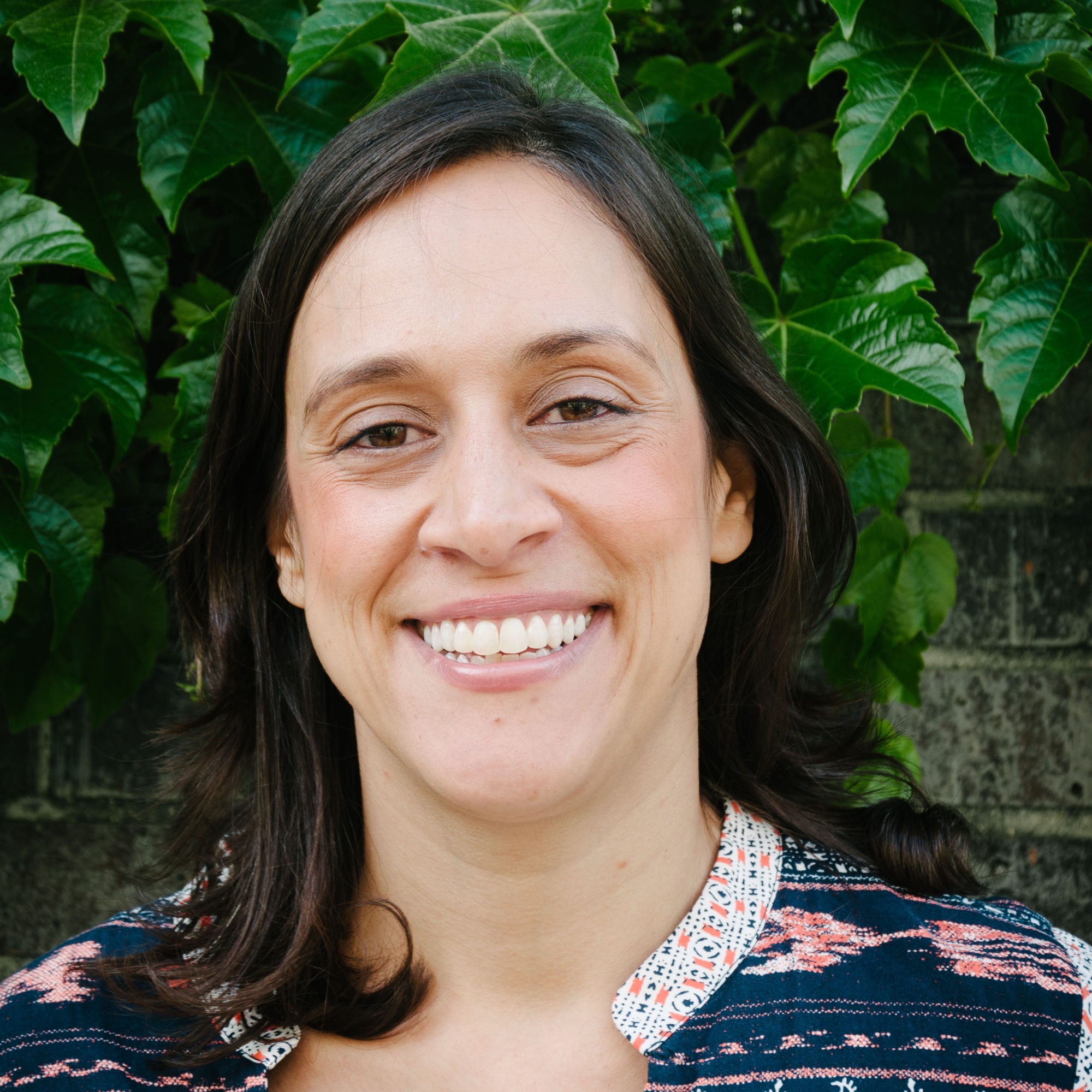
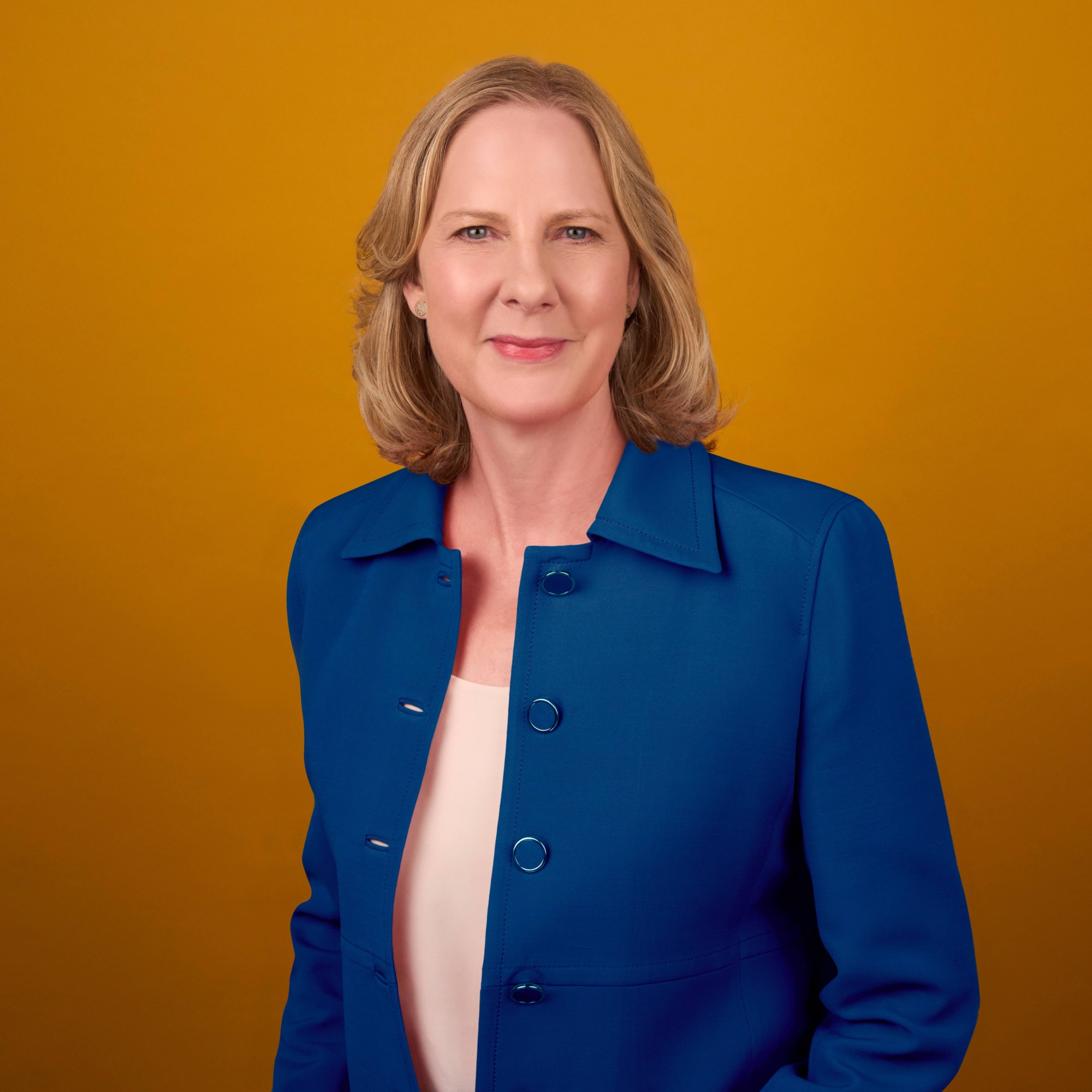
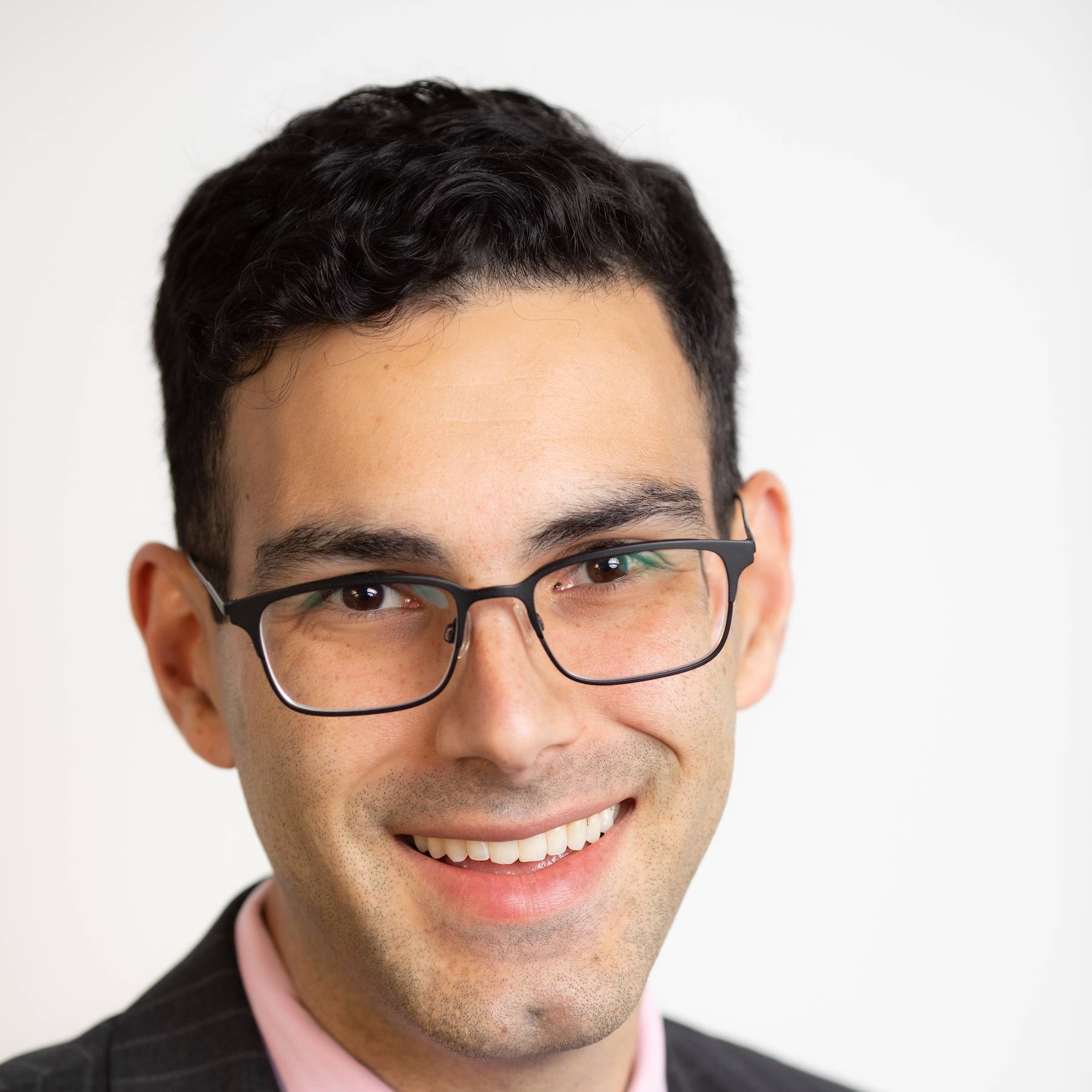
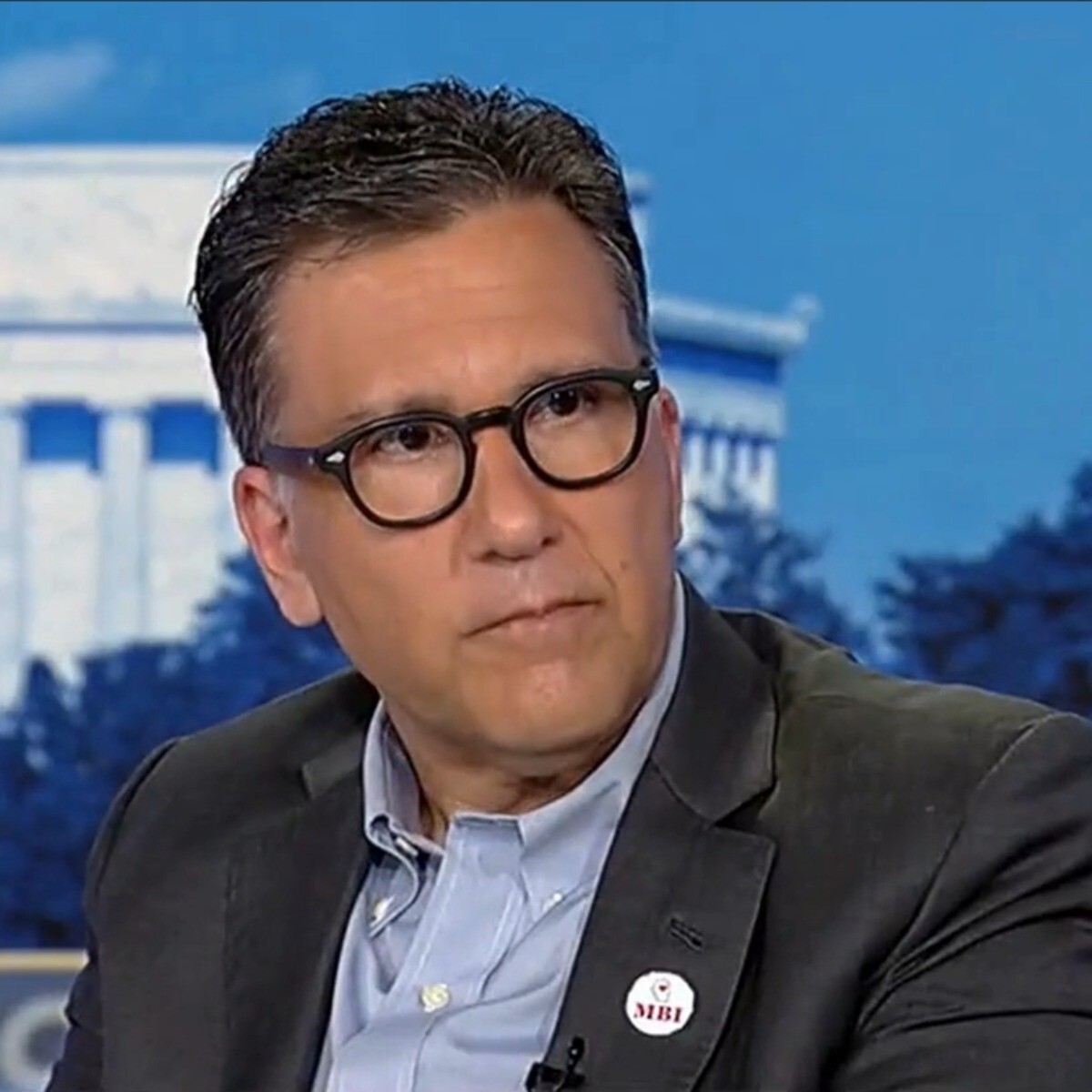
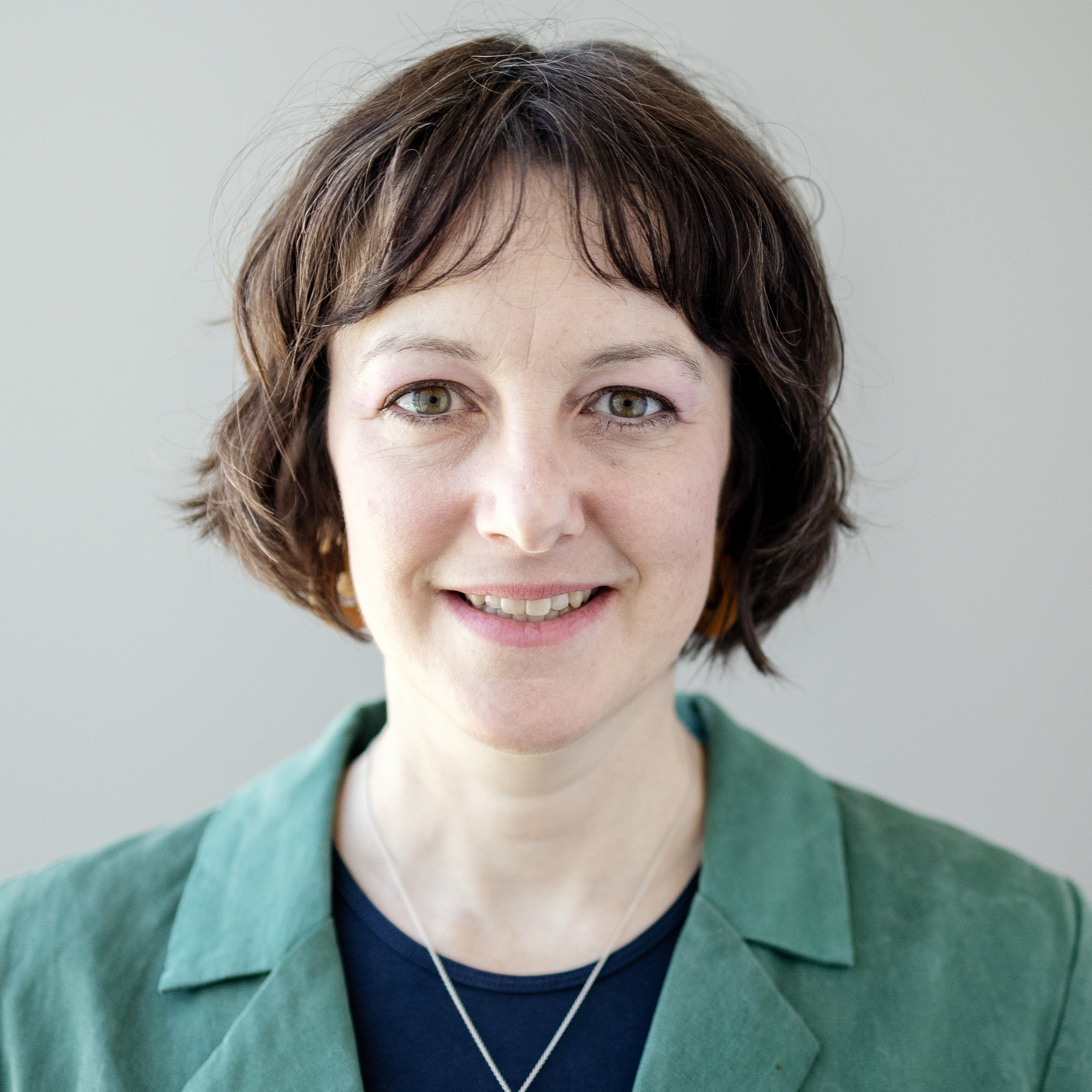
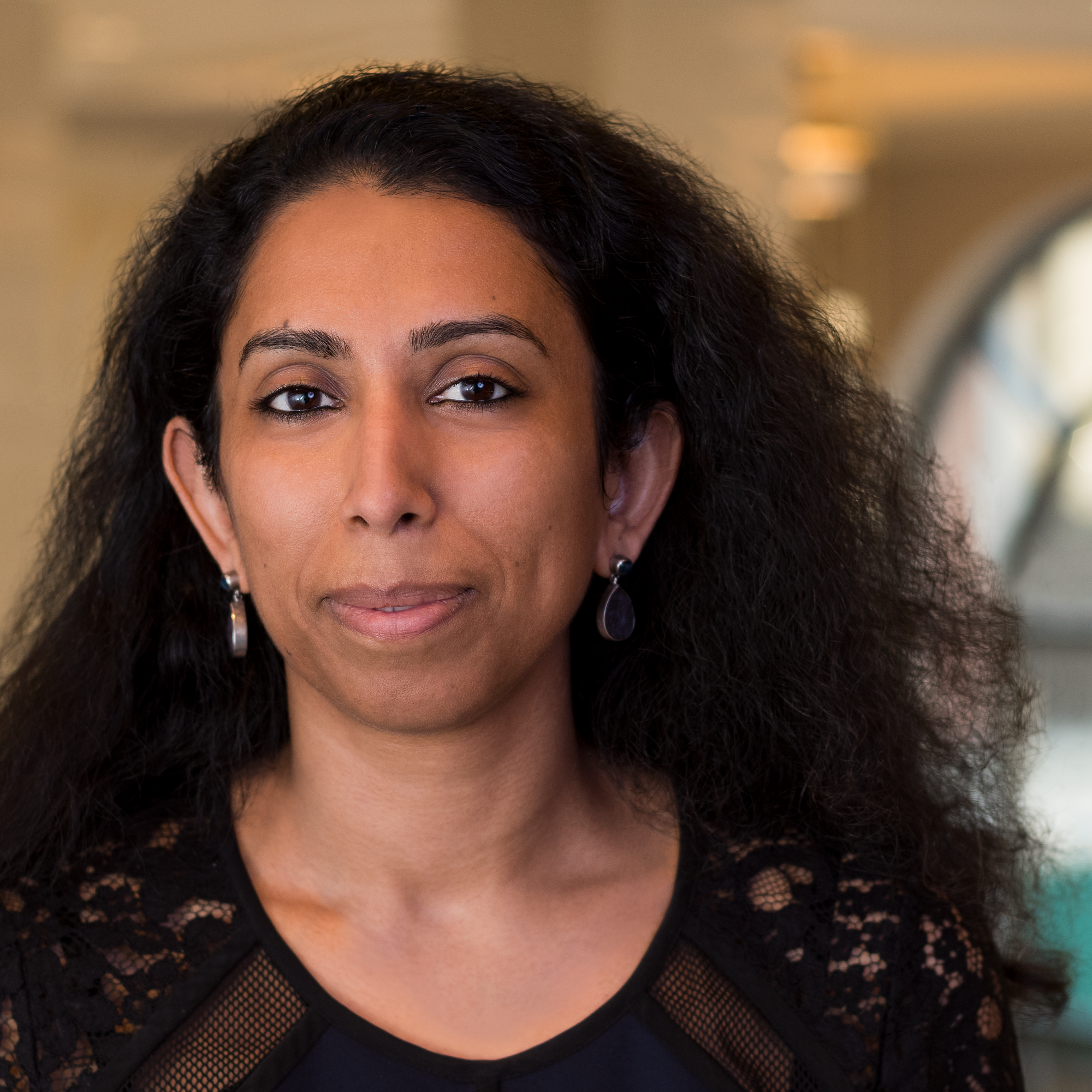
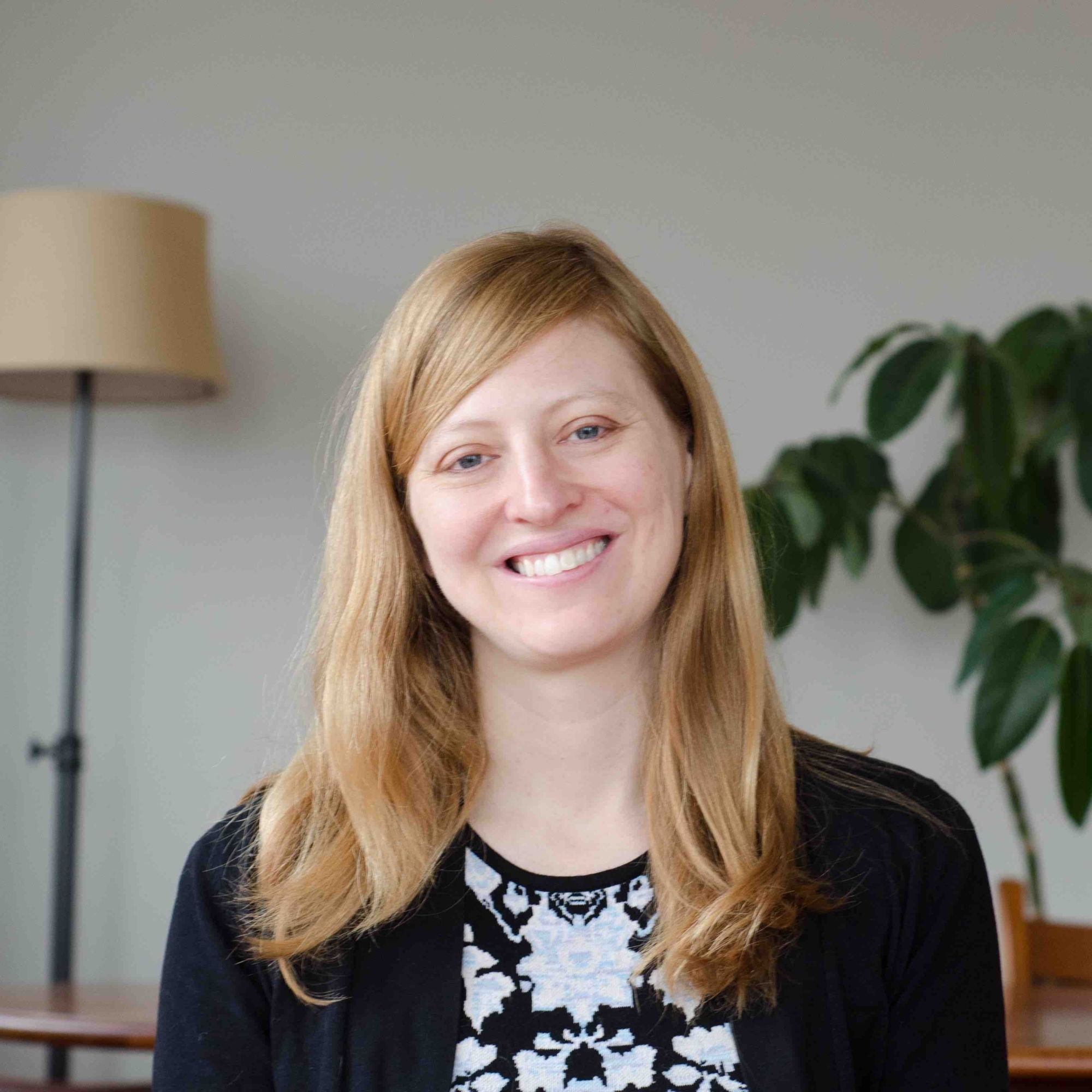
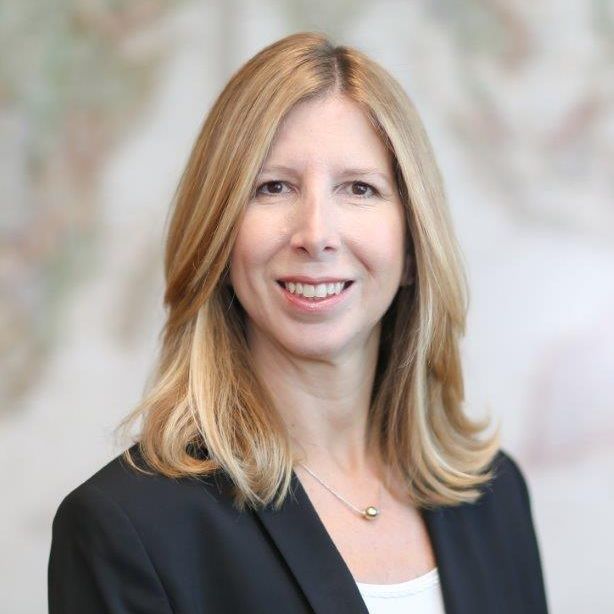
Featured Participants

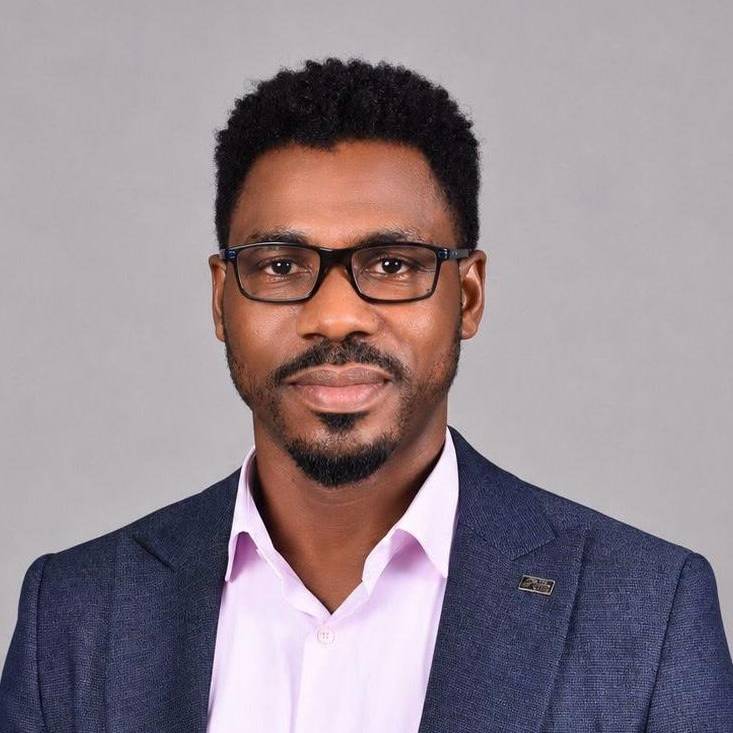
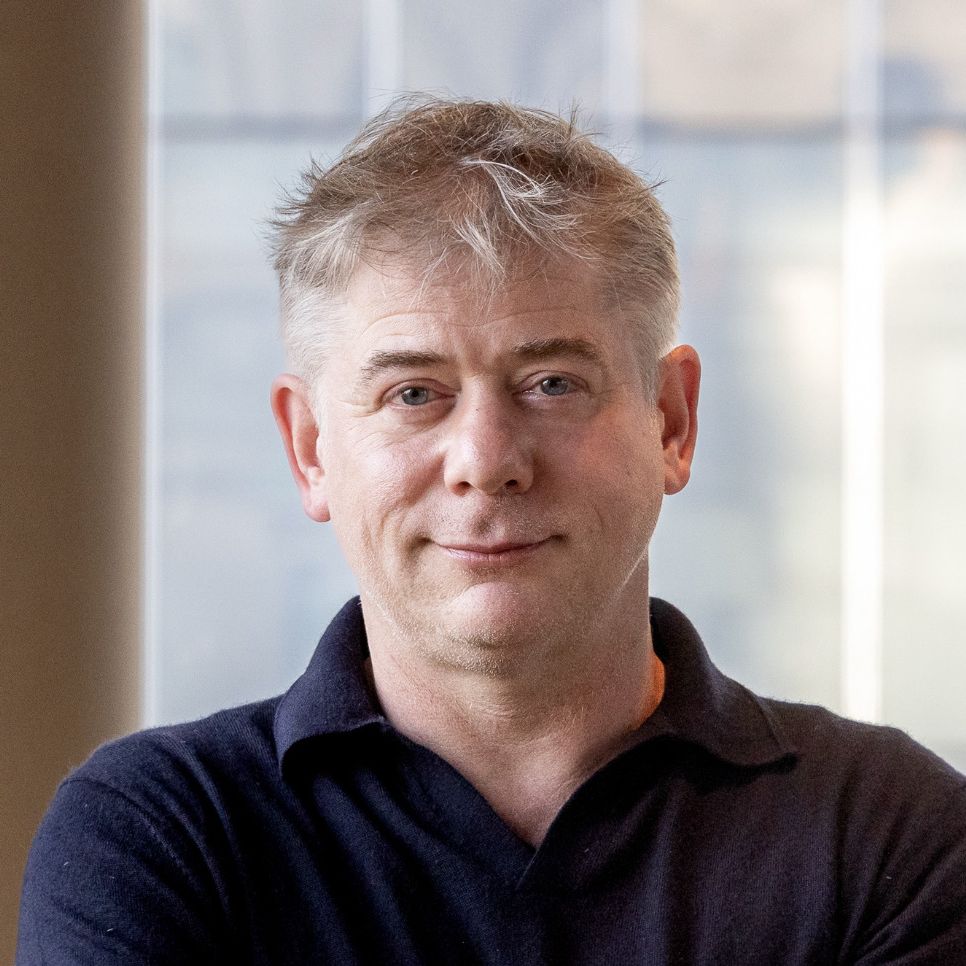
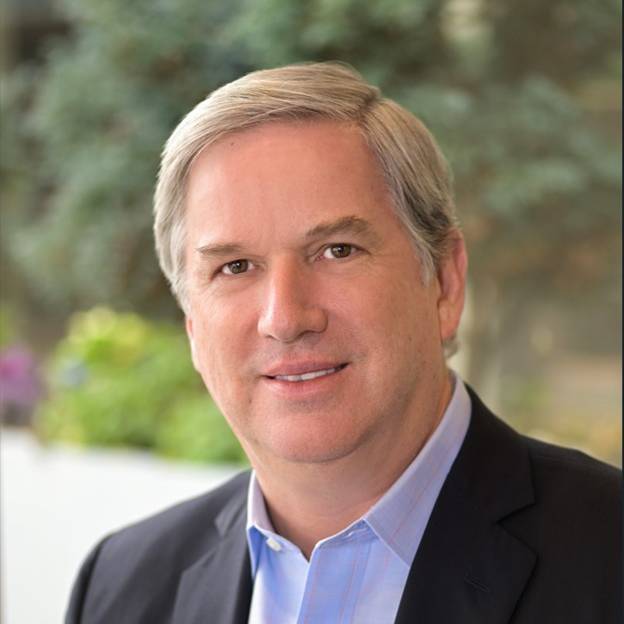
President Bill Clinton
Founder and Board Chair, Clinton Foundation and 42nd President of the United States











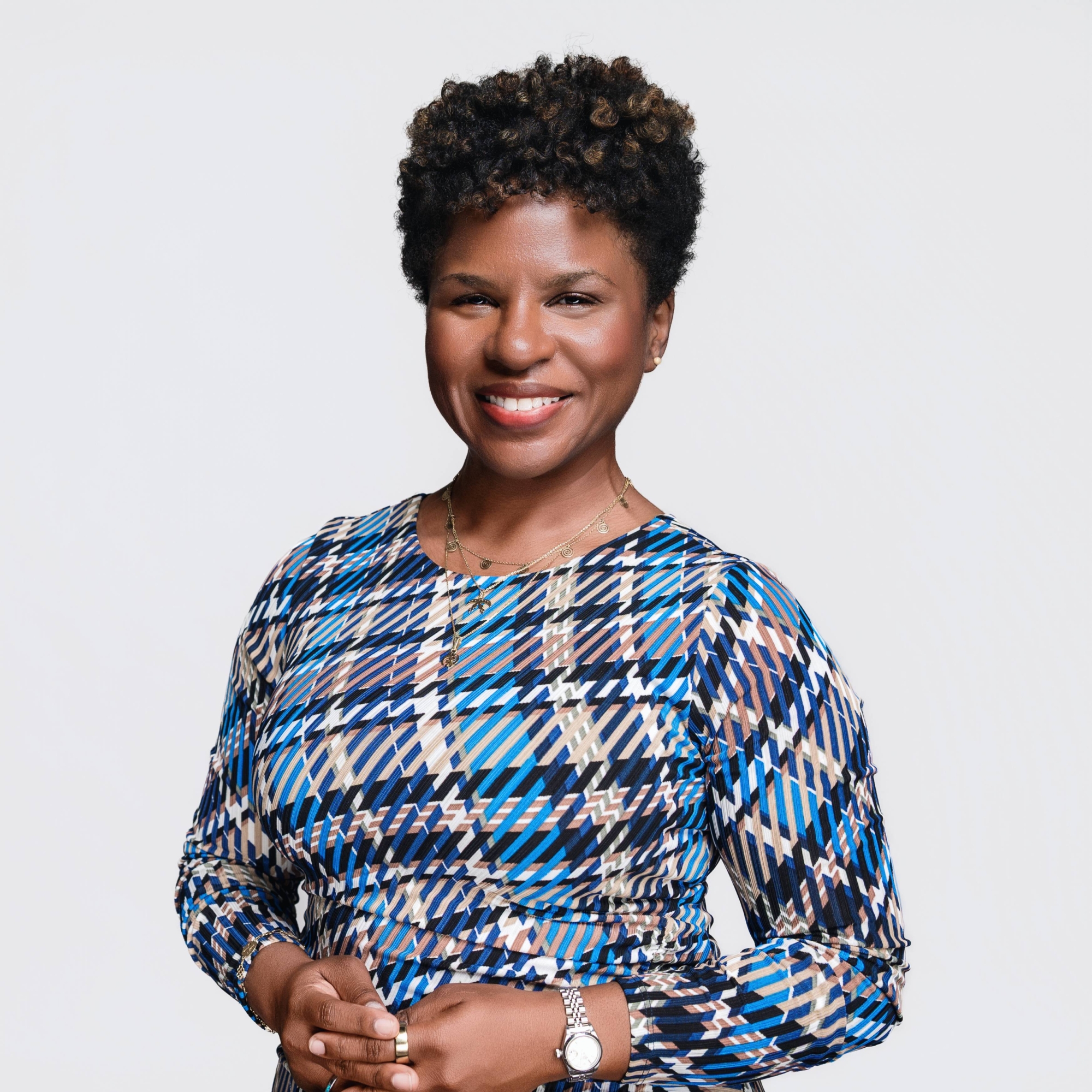
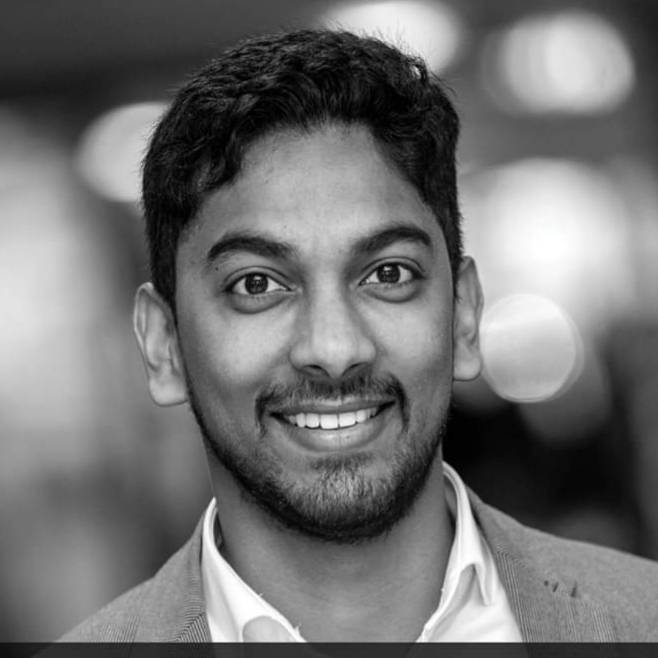
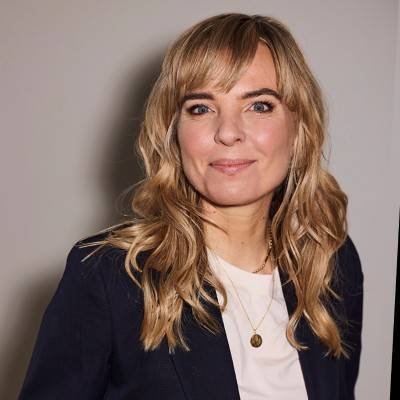
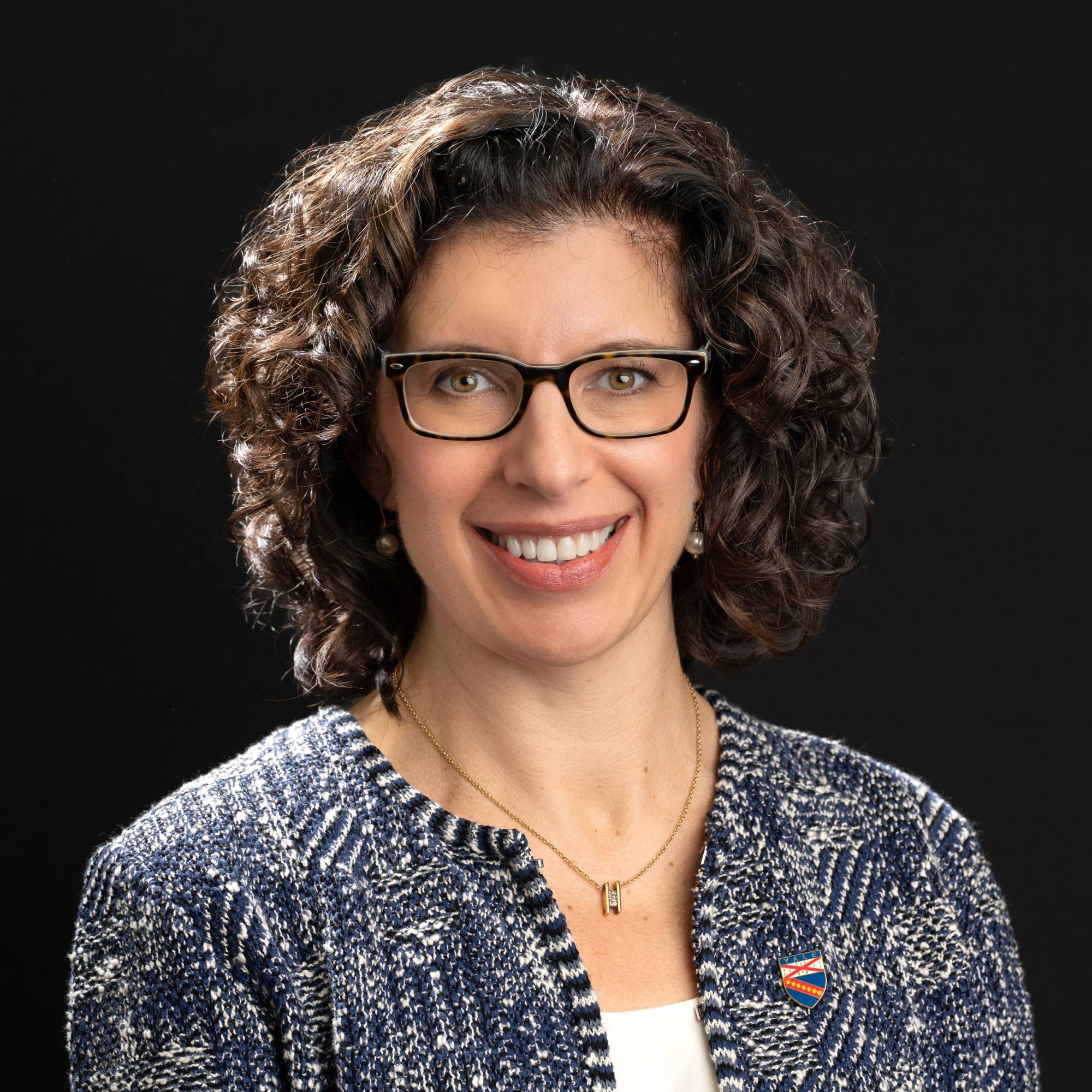
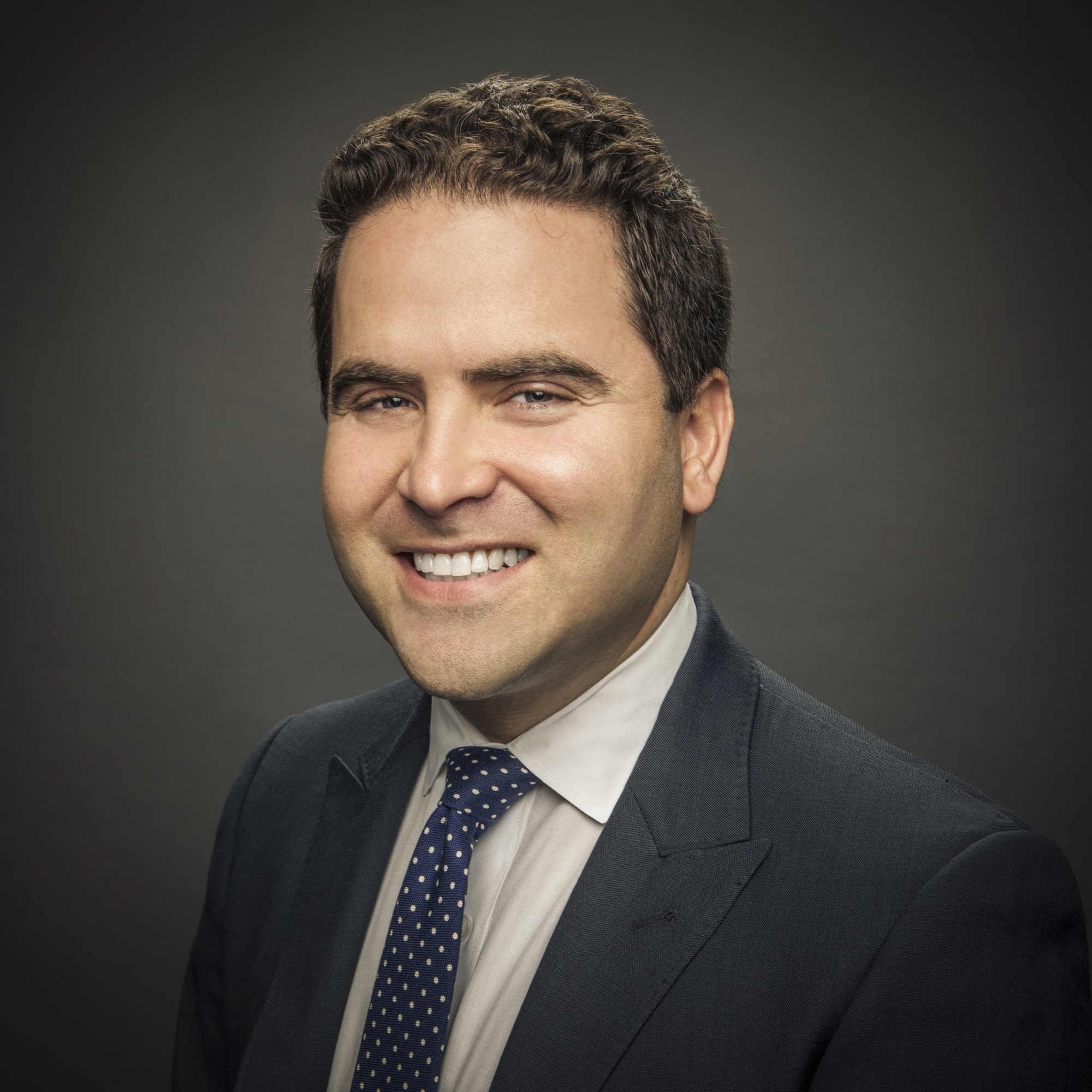
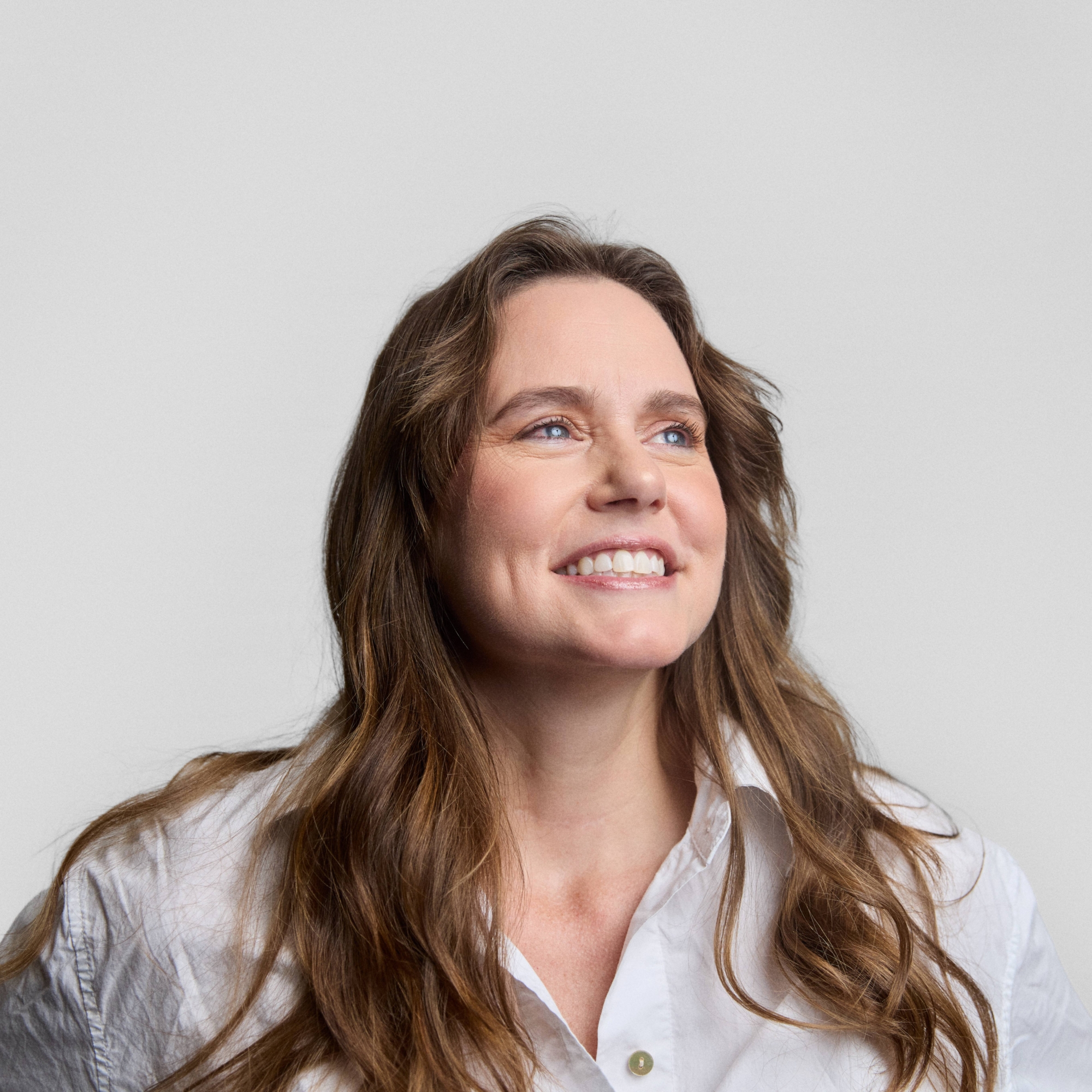
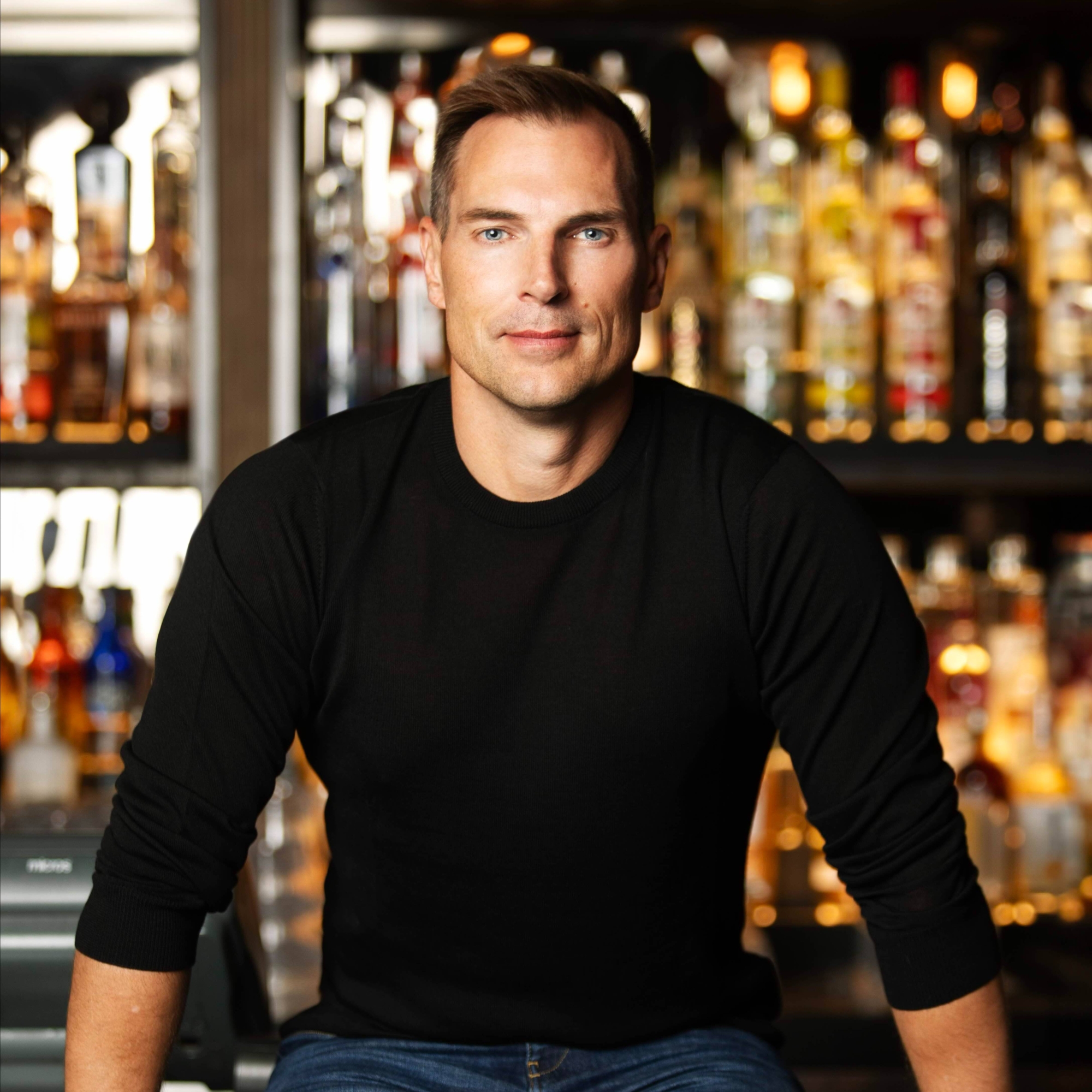
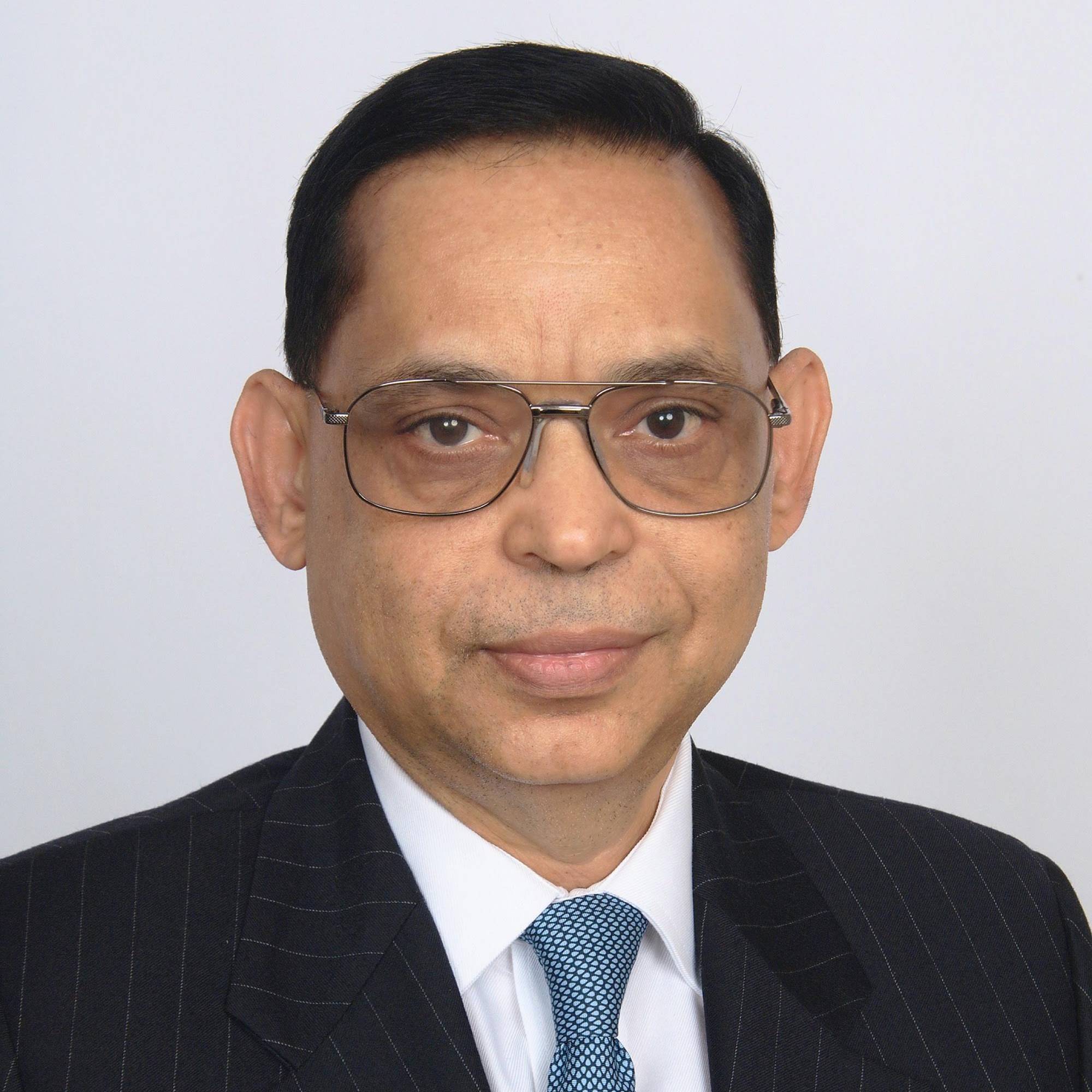
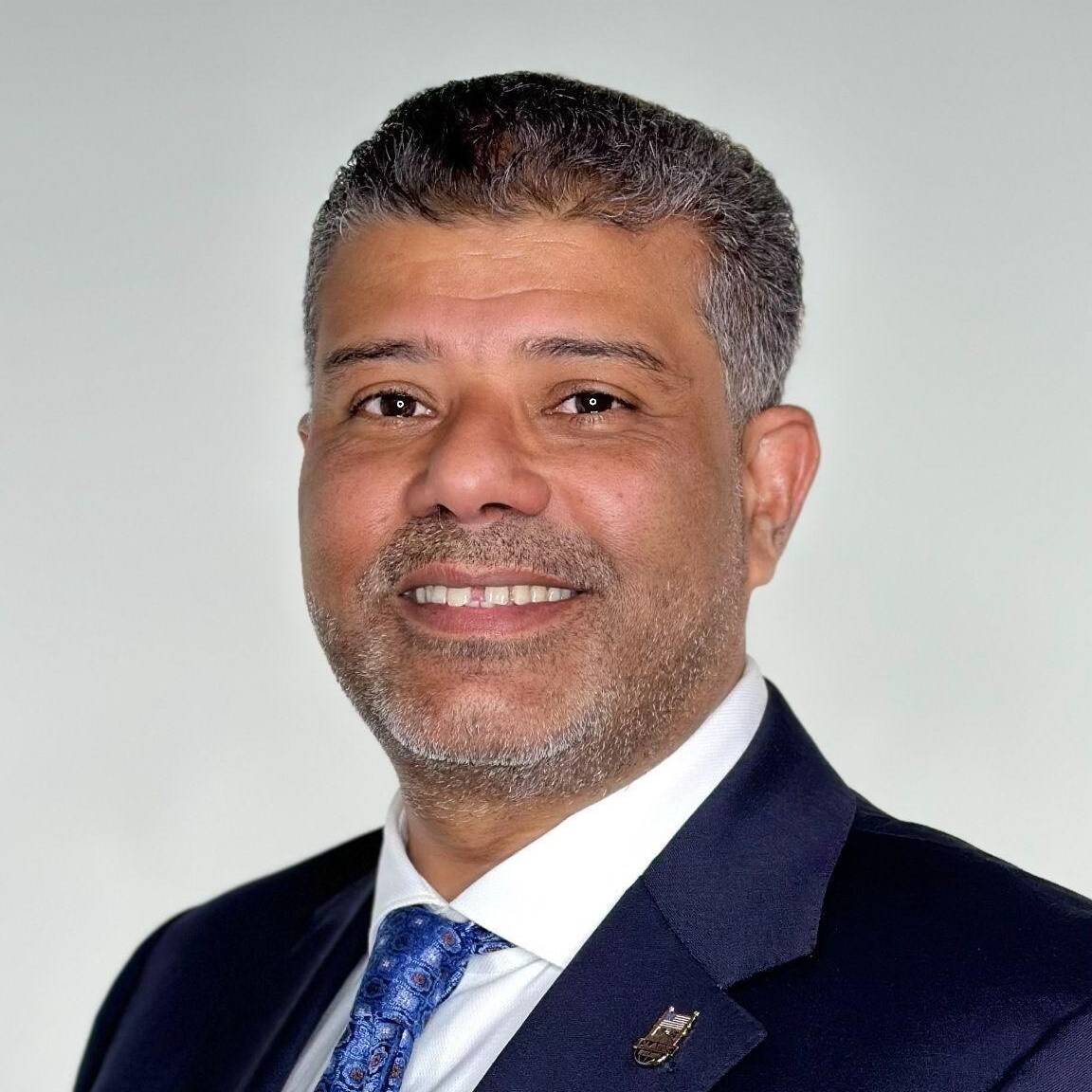
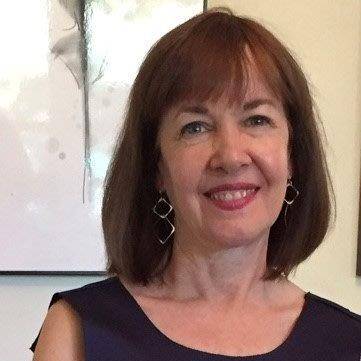
Gracelin Baskaran
Director, Critical Minerals Security Program, Center for Strategic & International Studies





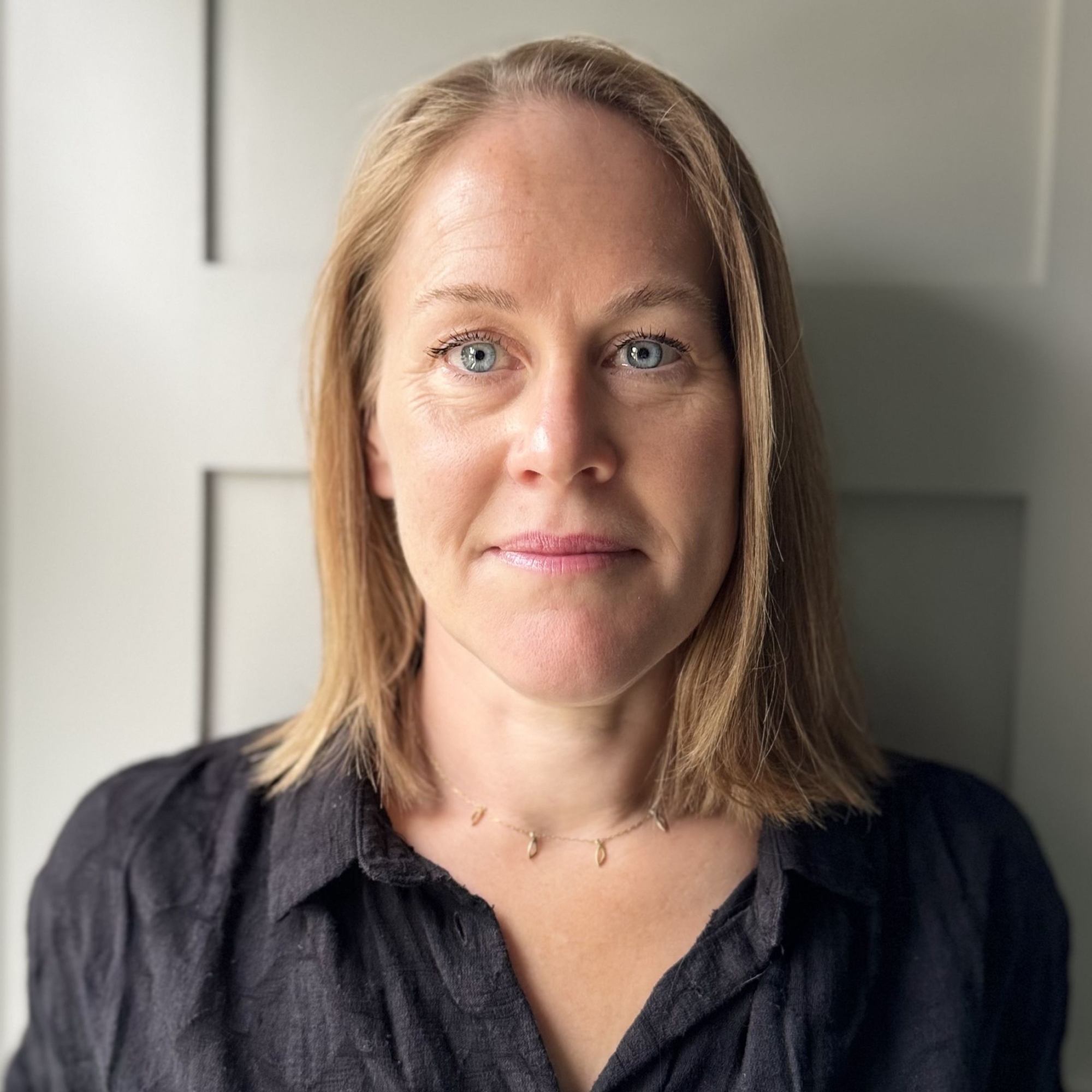


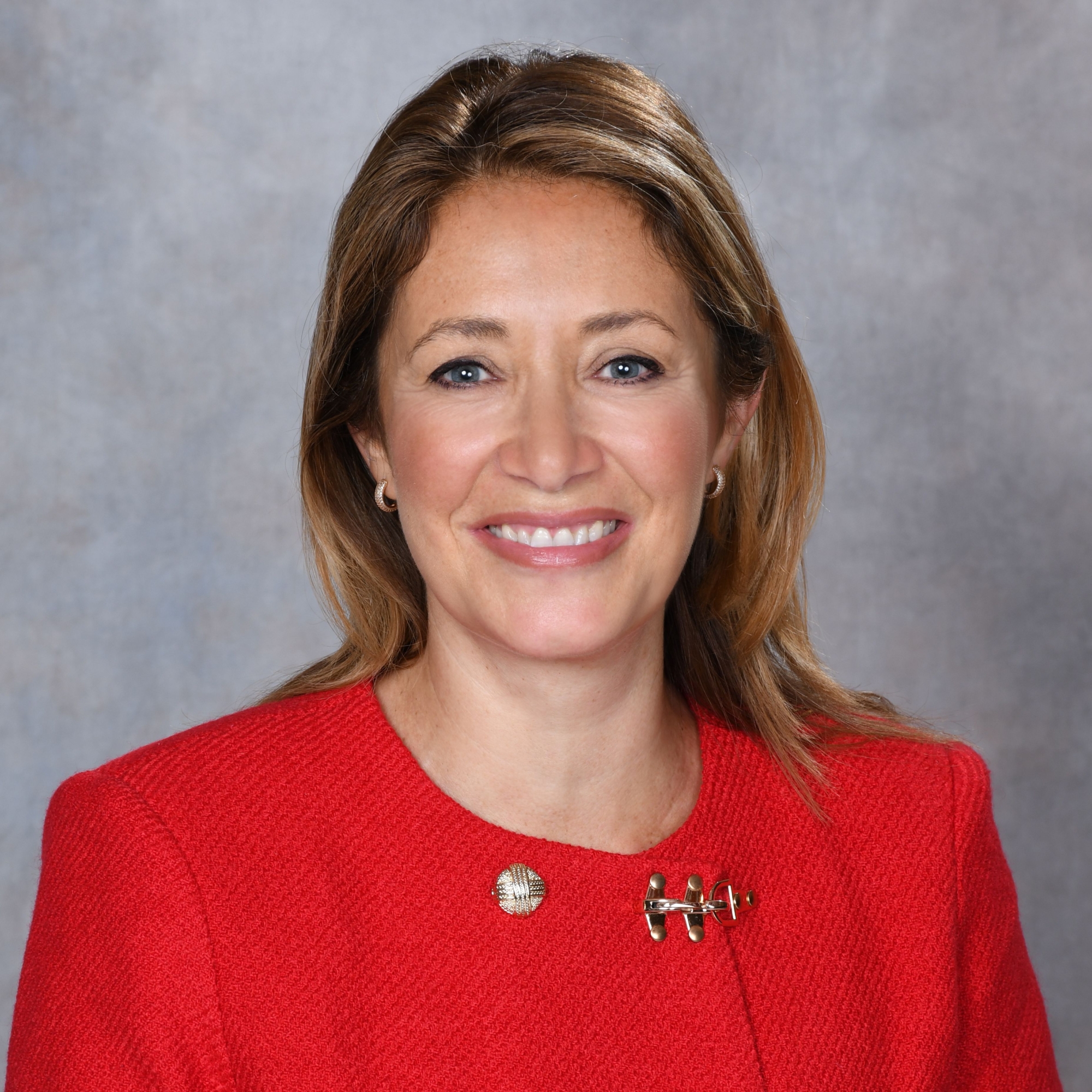

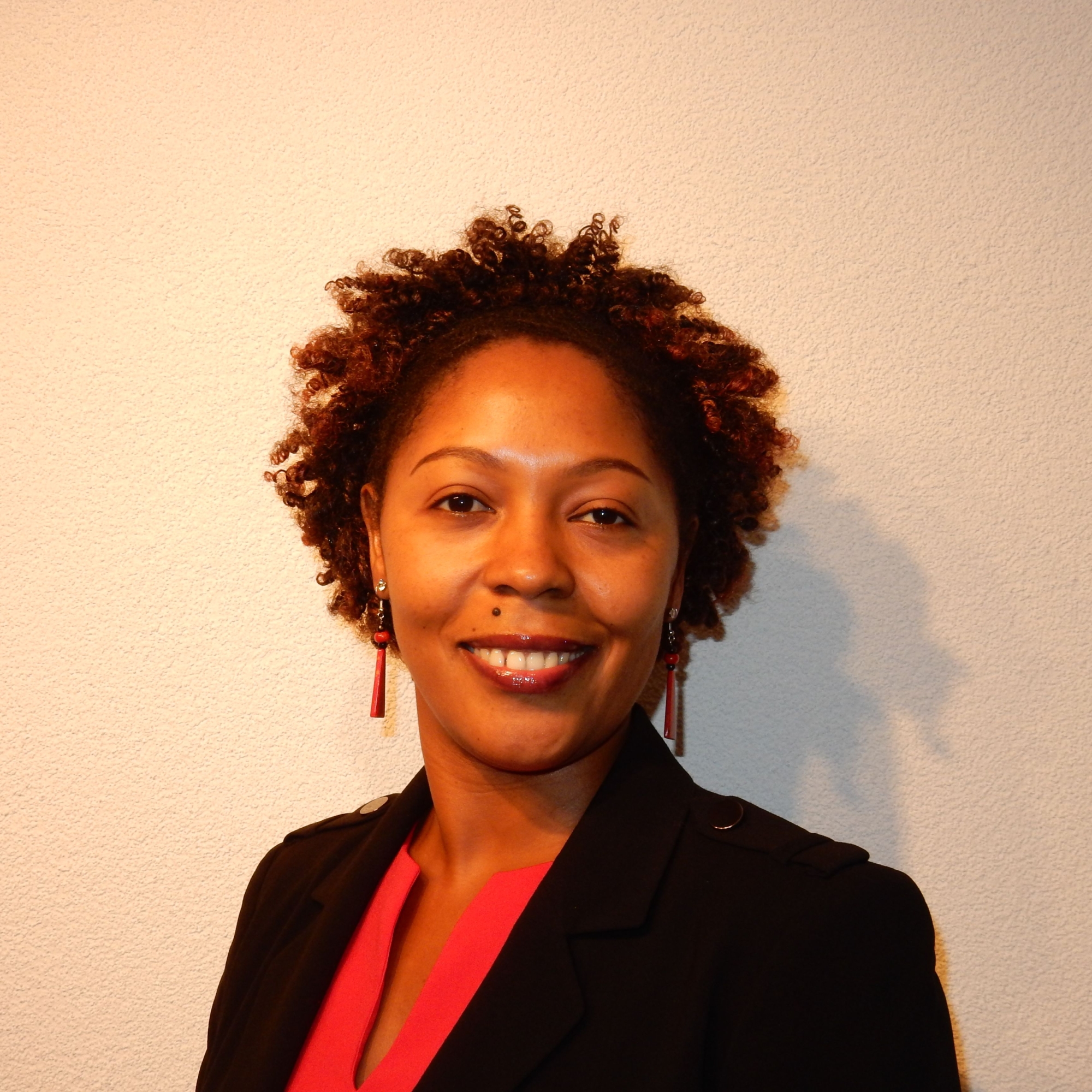
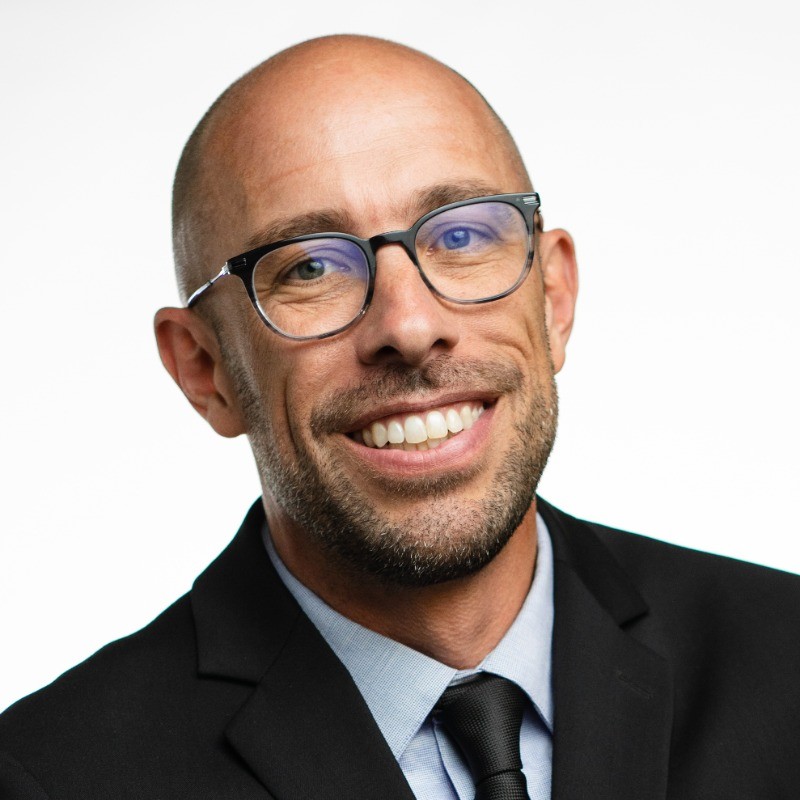
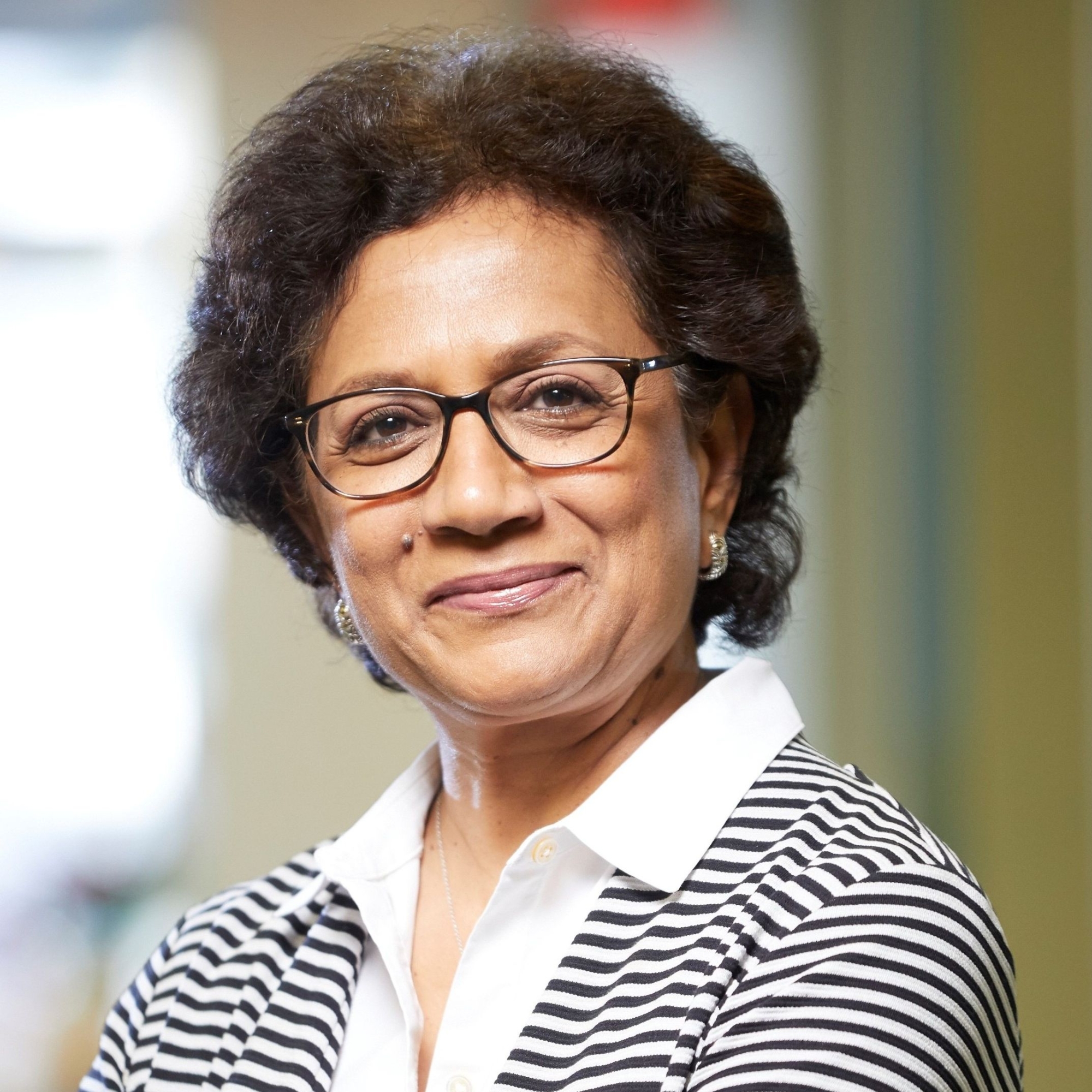
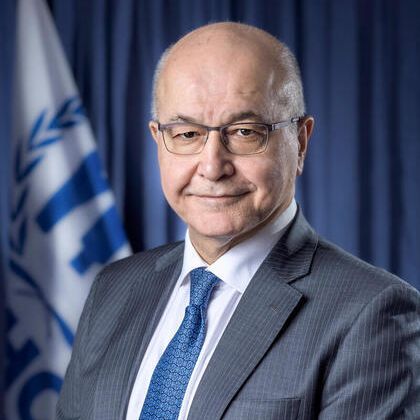
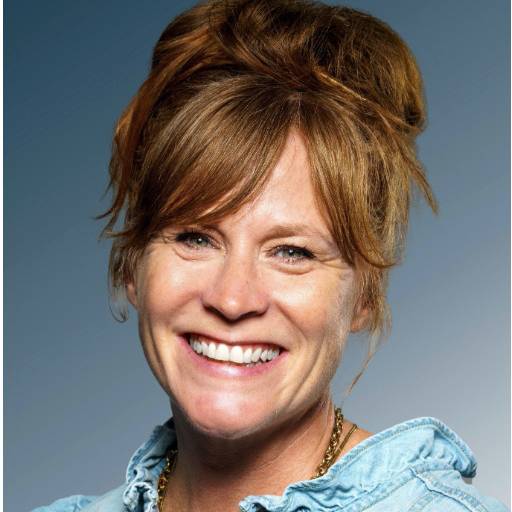
Jessica Haberer
Professor of Medicine, Massachusetts General Hospital/Harvard Medical School


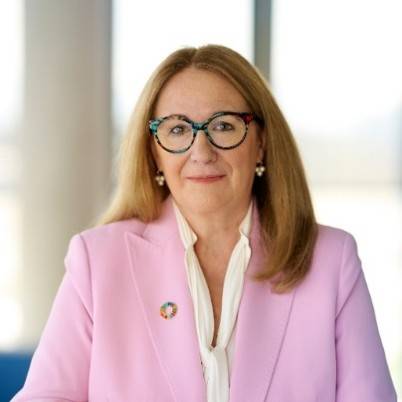
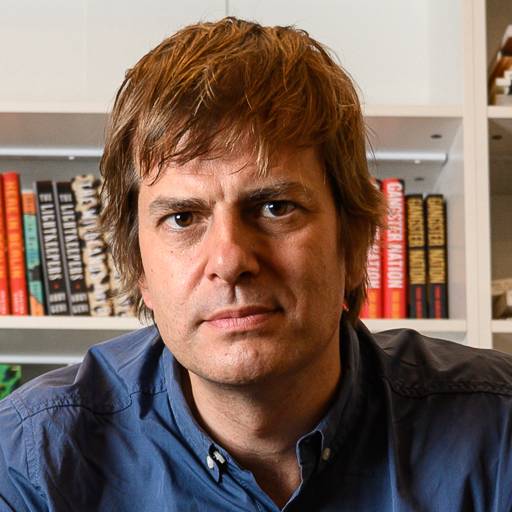


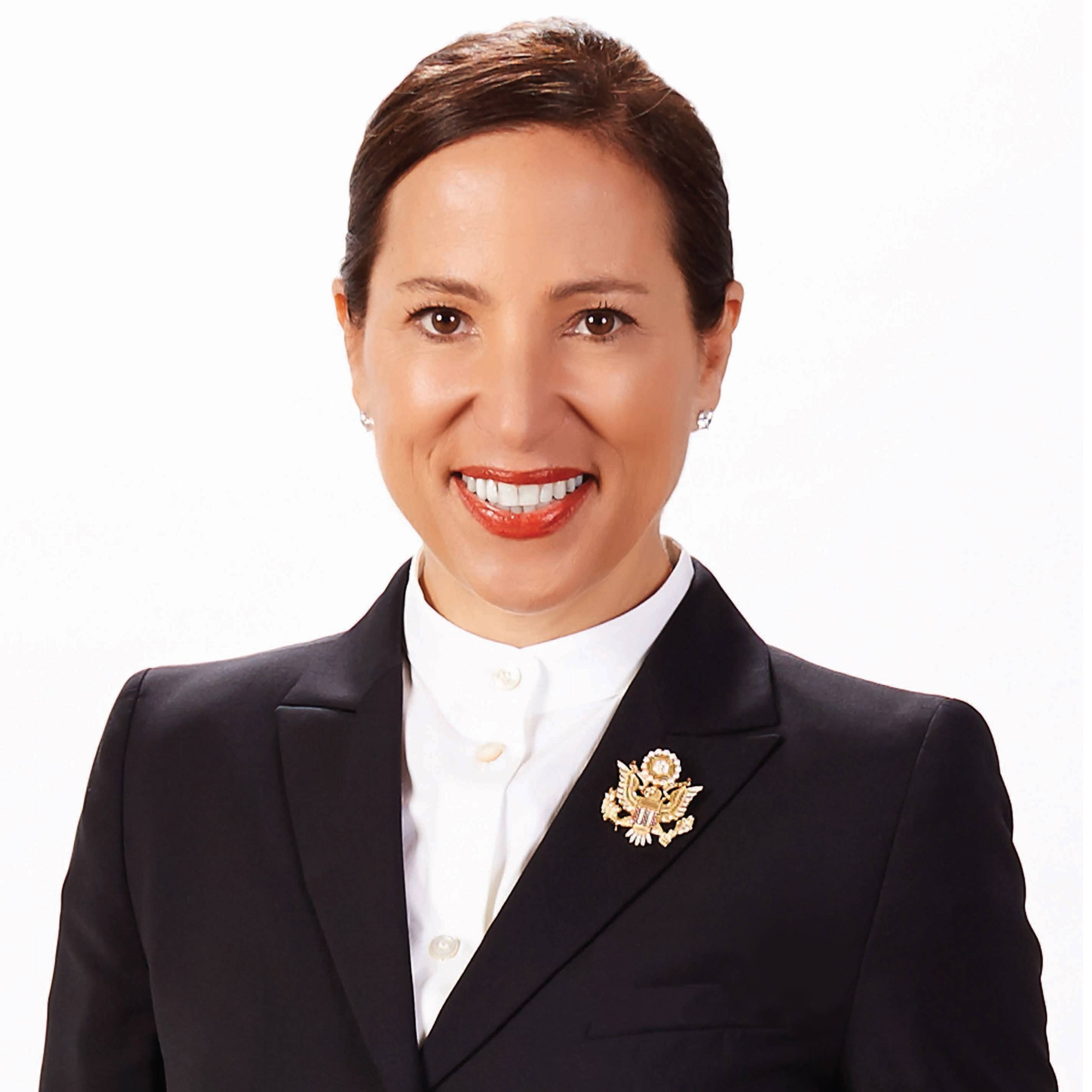
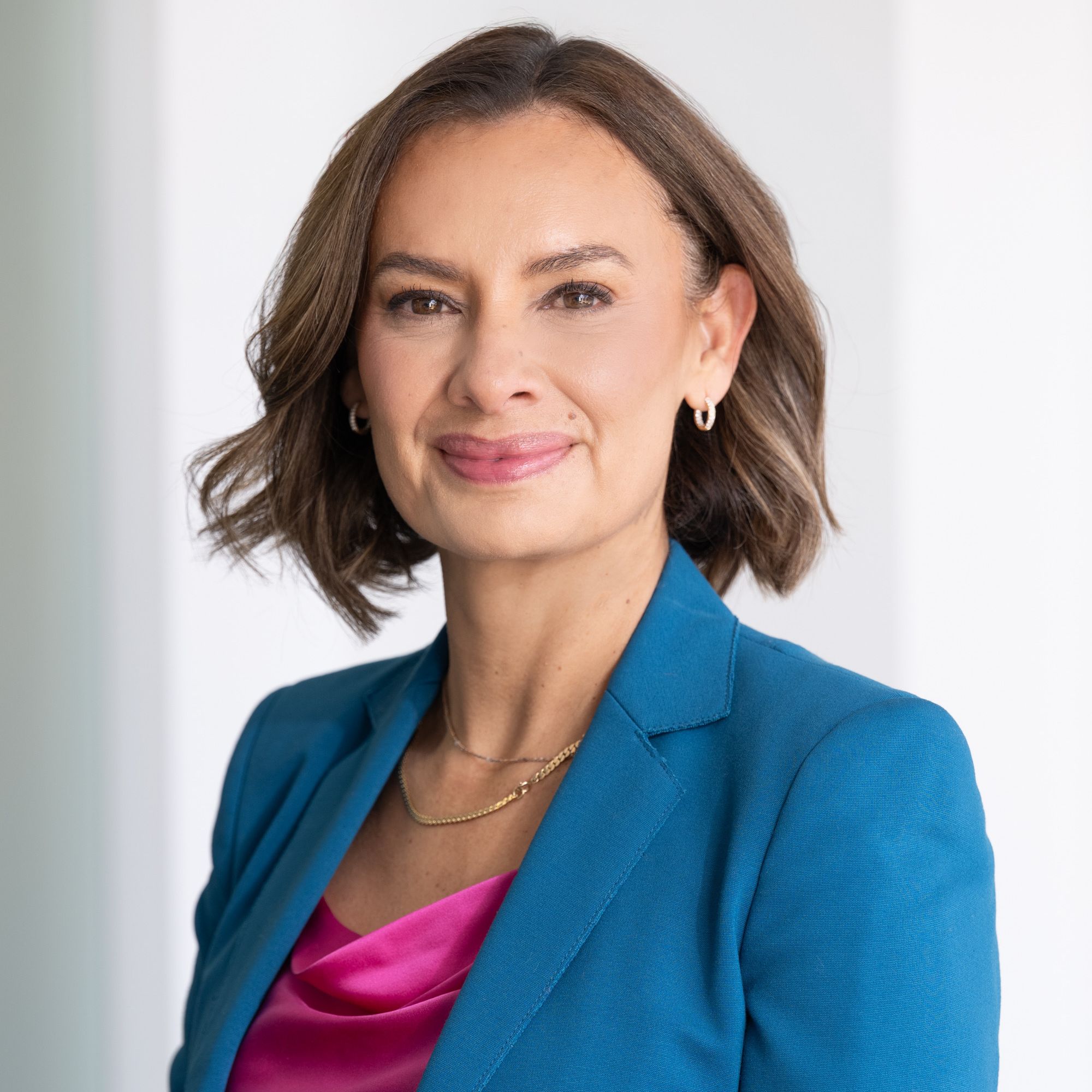






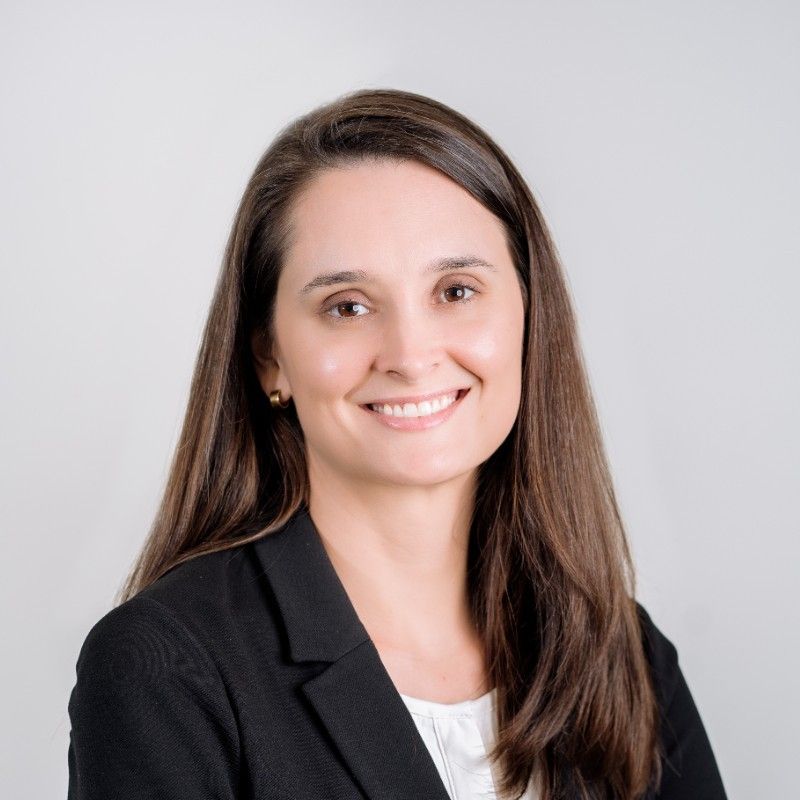
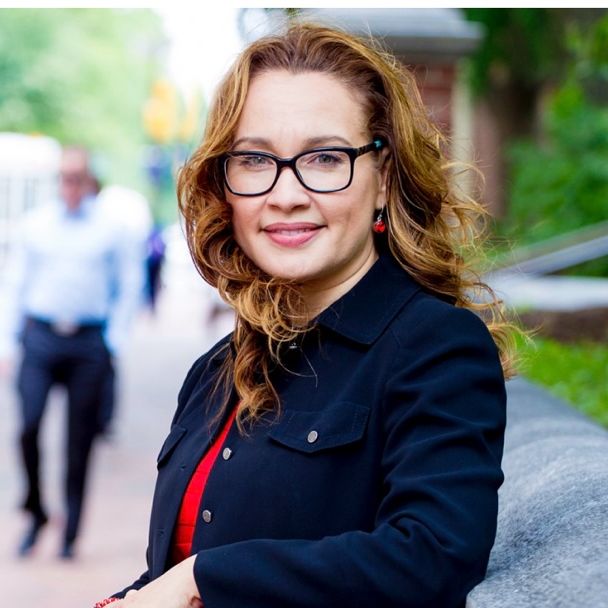
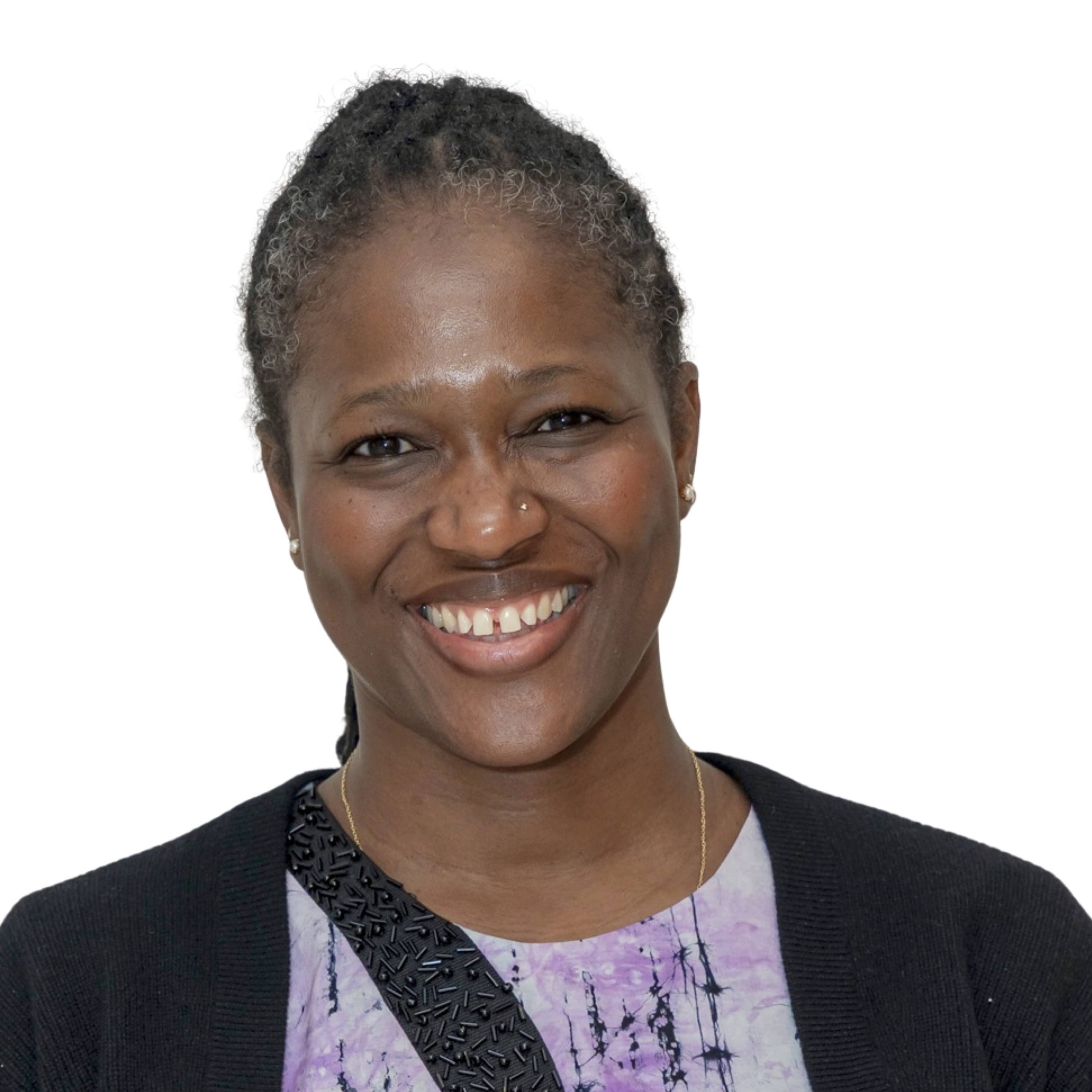
Alexis Menocal Harrigan
Senior Advisor, International Society for Transforming Education (ISTE)












Get Involved
Join the Conversation
We invite you to join the conversation on social media by following our channels and using the hashtag #CGI2026.