
CGI Convenes Leaders in Latin America and the Caribbean to Address Issues at the Health-Climate Nexus
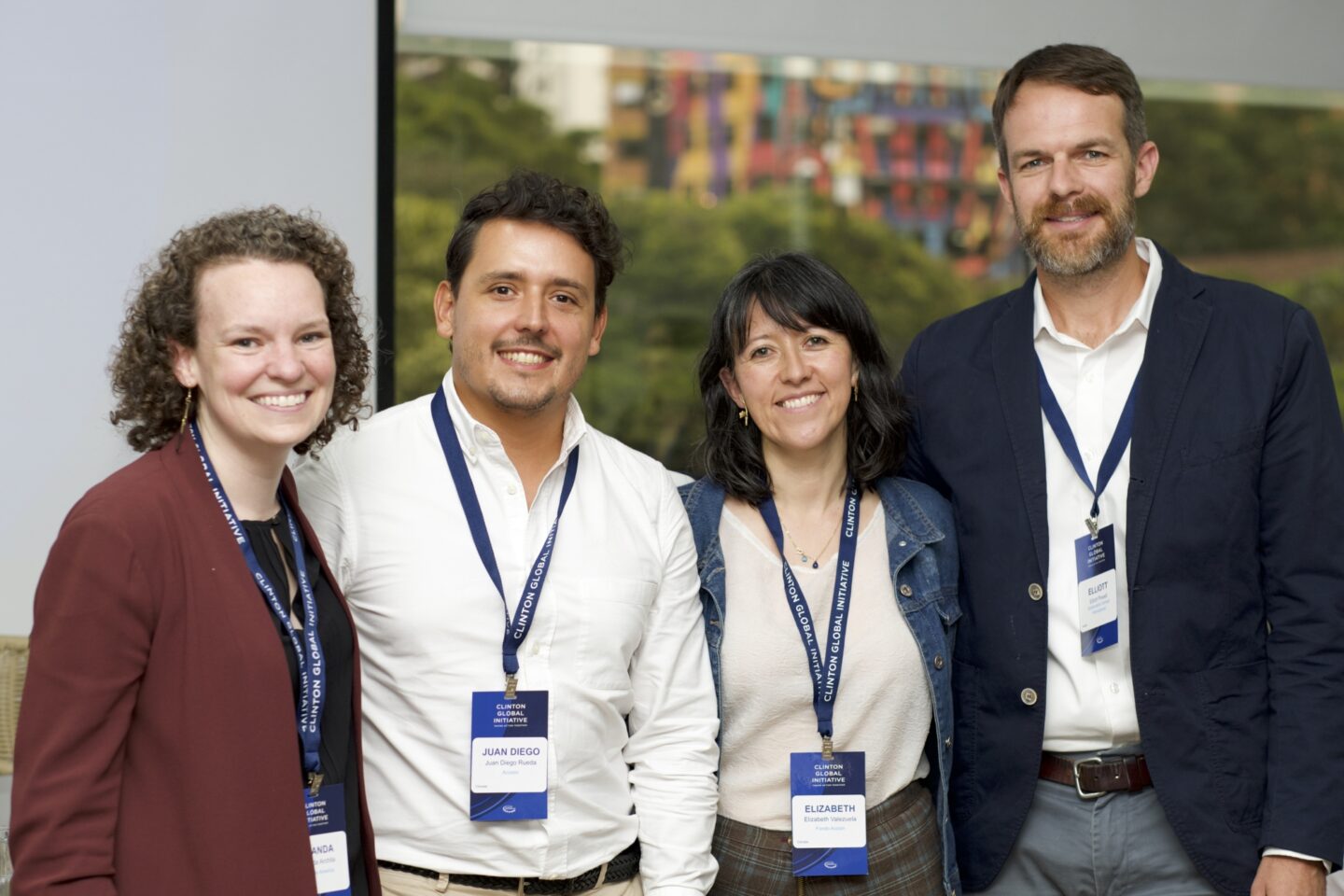
Medellín, Colombia – The Clinton Global Initiative recently convened leaders in Medellín, Colombia to discuss actionable approaches to challenges at the intersection of health and climate. During the convening, “Addressing Critical Issues at the Health-Climate Nexus in Latin America & the Caribbean,” leaders called for a hyper-local, multi-generational approach that empowered communities and prepared them to be self-sustaining and resilient for the unforeseen future.
The tone of the conversation was urgent, as several leaders described the challenges at the health-climate nexus, like disruptions to agriculture, extreme temperatures and weather, increasing frequency and severity of weather-related disasters.
“Climate change has a real face today – it’s the face of you, me, children, youth, mothers, fathers,” said Claudia S. de Windt, CEO of the Inter-American Institute on Justice and Sustainability (IIJS). Women and younger generations stand to be disproportionately disadvantaged by the climate crisis, which should serve as the catalyst for action. De Windt described the health-climate nexus as “a ticking time bomb,” but leaders found solace in the collective ties that binds.
“It’s affecting all of us differently today. We can’t do it alone,” she said. “We’re all in this together.”
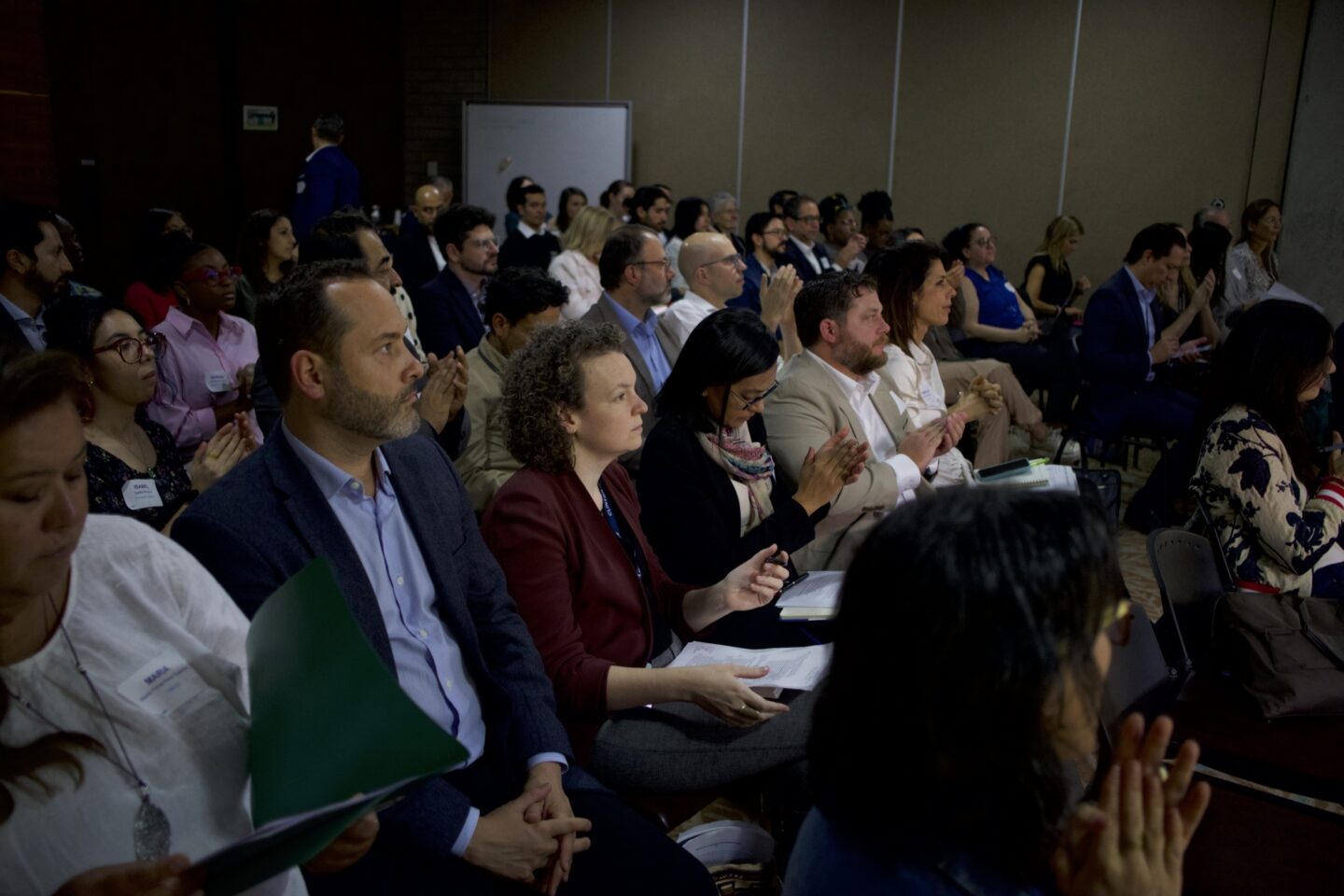
Throughout the conversation, leaders described local communities as beacons for successful scalable solutions. As floods and disasters occur more frequently, MercyCorps found success in Puerto Rico by investing in the community’s resilience infrastructure. In the event of a disaster, communities now have access to spaces fully equipped with solar panels, clean water access, cooking services – all the necessities to be sustainable.
But supporting community resilience goes beyond retrofitting homes and decarbonization efforts. It also extends to reducing the gender gap and involving women and children in community decisions.
Lala Lovera, Executive Director of Fundación Comparte Por Una Vida, spoke on their work in Colombia and Venezuela, urging organizations and government entities to first equip communities with the necessary sustainability, and then allow communities the agency to make the best decisions for themselves. Local authorities in the public and private sector are vital members of a community’s resilience ecosystem, but communities must be empowered to choose how they sustain themselves.
“The best achievement is listening to them, giving the correct information. Translate that information to the communities, and then they have the information to decide,” Lovera said.
The health-climate nexus has created several challenges to overcome, but it’s also created opportunities for change. During the pandemic, many communities were isolated and had to shift their practices internally and focus on survival, which created an opportunity to understand the importance of localization. And several leaders praised communities for investing in the youth and building their cultural bond with nature. By teaching young people basic survival skills like hunting and fishing, younger generations are better equipped to use their natural resources and keep these cultural practices alive.
Whether a consumer or producer, farmer or customer, young or old, we all have a role to play and we all have the power to change our behavior. Together, we must take action.
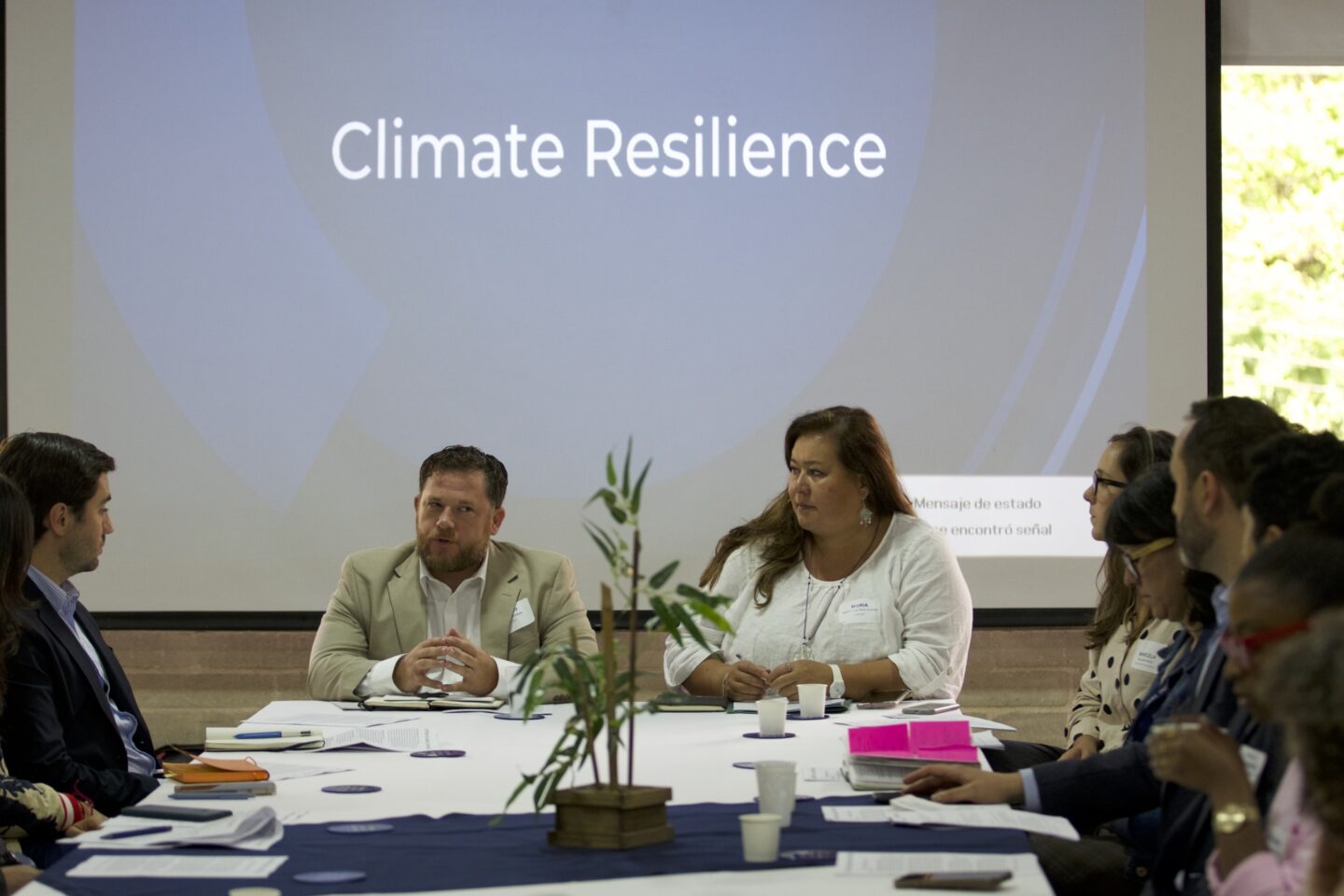
CGI’s convening in Colombia follows decades of engagement and cooperation by President Clinton, his Administration, and the Clinton Foundation. As President, he worked with the Pastrana Administration to launch Plan Colombia, joining the U.S. with the Colombian people to build a future based on shared prosperity and shared responsibility. Plan Colombia provided $1.3 billion in assistance to Colombia over two years, while the Clinton Administration additionally increased aid related to ending narcotics trafficking by almost 3600 percent. These efforts helped successfully end the Colombian armed conflict, dramatically reducing violence in the country and eradicating hundreds of thousands of hectares of coca. Since his time in office, the Clinton Foundation has worked in Colombia to support smallholder farmers, fishers, women entrepreneurs, and youth by providing the tools they need, from training and financing to technology and innovation — work that continues today through Acceso, a now independent non-profit. President Clinton visited the country once as President following the launch of Plan Colombia in 2000, and eight times since that have focused on Clinton Foundation efforts in Colombia and Latin America.
Additional attendees included: Johan Agredo, Morgan Stanley; Sofia Andrade, Build Change; Amanda Archila, Fairtrade America; Isabella Bablumian, Dara Institute; Marcela Barón, Fundación Proantioquia; Ady Beitler, Nilus; Fran Benedito, ClimateTrade; Juan Camilo Molina Betancur, Universidad de Antioquia- Facultad Nacional de Salud Publica; Susana Vargas Betancur, Universidad de Antioquia- Facultad Nacional de Salud Publica; Ana Maria Blandon, Secretaria Seccional de Salud y Proteccion Social de Antioquia; Carlos Bohorquez, Medellín City Hall; Rossella Bottone, United Nations World Food Programme; Alejandro Calderon, Mutual Empathy; Luis Camargo, Organización para la Educación y la Protección Ambiental; Mauricio Castiblanco, Organización para la Educación y la Protección Ambiental; Daniela Cepeda, Alcaldía de Barranquilla; Tanya Chapuisat, UNICEF; Marta Lucia De la Cruz, Fundación Alpina; Pablo Andres Rojas Cubides, Medellín Mayor’s Office; Andrea Escobar, Fundación Soydoy; Arminda “Mindy” Figueroa, Latin2Latin Marketing + Communications; Diego Franco, Fundación Grupo HTM (Hábitat – Territorio – Medioambiente); Jonathan Glennie, Global Public Investment Network; Astrid Gomez, Fundación Grupo Socia; Maria Porras Pérez Guerrero, UNICEF; Juan José Henao, Fundación Proantioquia; Mariana Hinestroza, Medellín Mayor’s Office; Ximena Perez Hoyos, Build Change; Juan Pablo Jimenez, Dalberg; Julia Lema, Fundación Grupo HTM (Hábitat – Territorio – Medioambiente); Jose Lindo, ClimateTrade (Planetary Health Division); Daniela Lopez, Fundación Soydoy; Eduardo Lopez, GivePower; Eric Jovan Perez Lopez, Americares; Lala Lovera, Fundación Comparte por una vida Colombia; Conniel Malek, True Costs Initiative; Julia Cristina Blandon Mena, Colectivo Wiwas; Salua Osorio, UNICEF; Claudia Ospina, RIMISP – Latin American Center for Rural Development; Rafael Guillermo Ospino, Hijos De La Guajira; Xiomara Paredes, CLAC; Jose Manuel Sandoval Pedroza, IDB; Luis Miguel Perez, Clinton Health Access Initiative (CHAI); Manuela Pinilla, Build Change; Elliott Powell, Sustainable Harvest International; Duvan Quilindo, RIMISP; Juliana Montoya Rivera, Universidad de Antioquia- Facultad Nacional de Salud Publica; Isabel Riveros, Fundación Soydoy; Alejandro Rodriguez, ClimateTrade (Planetary Health Division); Carolina Rodriguez, Mercy Corps; Juan Diego Rueda, Acceso; Nittaya Saenbut, True Costs Initiative; Paola Santiago, Solenium; Alix Marcela Mena Serna, Colectivo Wiwas; Ross Silkman, World Pediatric Project; Sofka Technologies; Andy Stofleth, SBP; Gustavo Uglade, UNICEF; Jaime Valencia, AID for AIDS; Jorge Vásquez, Grupo HTM; Elizabeth Valezuela, Fondo Acción; Leonardo Muñoz Velásquez, Camino hacia Carbono Neutral; Cindy Pérez Villadiego, Colectivo Wiwas; and Claudia S. de Windt, IIJS.