
Childhood Vaccines: Preserving Access and Building Public Confidence Through Effective Communication
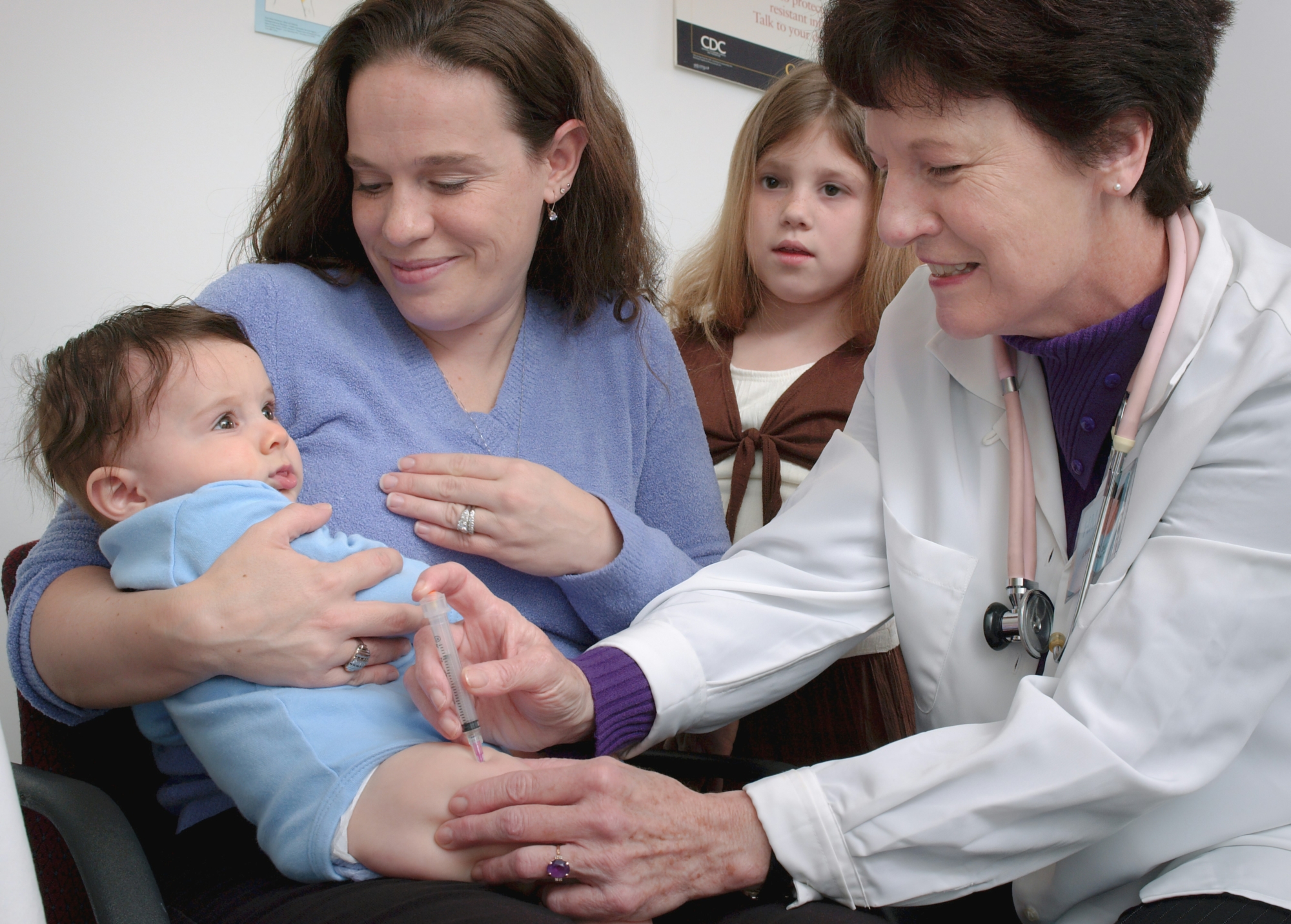
Childhood vaccinations have saved millions of lives in the United States and around the world. Vaccines are among the safest and most effective tools we have to protect children and prevent disease. However, recent changes in the federal and state vaccine policy landscape threaten to reverse these gains and put children’s lives and health at risk. Protecting childhood vaccination requires both preserving access in the face of shifting state and federal policy, as well as strengthening public confidence against a well-funded campaign of misinformation.
What We’re Doing
The Clinton Policy Institute (CPI) is responding to urgent challenges impacting childhood vaccination, developing innovative policy responses, and building effective communications campaigns. CPI convenes vaccine experts, communications specialists, and state public officials to mitigate threats to childhood vaccination, identify the strategies states and partners can use to protect and expand access, and to ensure families get scientific information they can trust.
The Threats
The US is facing federal and state risks to childhood vaccine access following sweeping changes at the nation’s leading health agencies. These shifts have resulted in major revisions to long-standing vaccine recommendations, which impact the childhood vaccine schedule, vaccine purchasing programs, and liability protections for providers and manufacturers.
While the majority of Americans support childhood vaccines, including broad backing for school vaccine requirements, these federal policy changes and misinformation about vaccines has led to growing distrust. Preserving access to childhood vaccines and strengthening public confidence will require coordinated state action, effective and targeted communication, increased investment, and the restoration of sound federal policy.
State Mitigation Strategies
States have been leading the fight to protect childhood vaccine access in light of these federal changes by updating and aligning recommendations, safeguarding coverage and access, protecting providers, and preserving vaccine requirements.
Some states have put out their own vaccine recommendations grounded in guidance from groups like the American Academy of Pediatrics and other medical societies, while others have addressed specific issues on an ad hoc basis as federal guidance shifts. States have also formed regional collaboratives, including the West Coast Health Alliance and Northeast Public Health Collaborative, to coordinate on policy and issue joint recommendations. Aligning state efforts helps prevent divergent vaccine recommendations, promotes consistent access, and builds public confidence.
Because ACA and Medicaid coverage mandates are tied to federal vaccine recommendations, a narrower federal schedule can result in a narrower coverage requirement. States can act to safeguard no-cost insurance coverage of vaccines by directing Medicaid, CHIP, and commercial insurance plans to cover vaccines based on a state-adopted schedule, rather than the federal one. It is also essential to protect access for low-income and uninsured children who receive coverage through the federal Vaccines for Children program, whose administration is tied to federal recommendations. States like Massachusetts have developed alternative purchasing mechanisms to supplement VFC if access changes or is eliminated.
States must continue to protect and invest in vaccine providers by protecting provider authority to administer vaccines, addressing liability concerns, and reducing operational barriers in vaccine administration. It is also critical that states preserve school and childcare vaccine requirements, which they can do by auditing current regulations and communicating proactively to school administrators and childcare operators about what is required.
State leaders should work across party lines to preserve access, recognizing the broad public support for childhood vaccines nationwide. Several states with strong vaccination rates (e.g., Mississippi) span the political spectrum and offer strategies that can be applied more widely.
Targeted Communication and Effective Messengers
While overall support for childhood vaccines remains strong, certain demographic groups express greater distrust and there remains notable support for parental choice. Reaching these groups with scientifically accurate information on vaccines requires moving beyond audiences that already support vaccination. While important work is happening to improve vaccine confidence, further development of effective, targeted messaging to respond to misinformation and break through echo chambers is essential to combat a well-funded misinformation campaign.
Health care providers must be equipped to navigate difficult conversations with patients and families in the limited time they have. Providers are most effective when communication training begins during medical education and when vaccine messaging is built into their existing workflows, easing the burden on clinicians who already face limited bandwidth. While providers remain trusted messengers, parents increasingly turn to peers and online sources for information and advice on vaccines. Therefore, communication strategies must also engage non-provider, community-based messengers.
Restoring Sound Federal Policy Is Necessary
States must consider not only how to protect vaccine access in the near term, but also the criteria and pathways for returning to evidence-based and medically accurate federal policy. Fully decoupling state policy from established federal guidance, rather than supplementing that guidance with links to other evidence-based standards, risks eroding the federal authority that protects public health over the long term. A federal legislative approach is ultimately needed to support continued vaccine access and prevent the erosion of the public health infrastructure that states and providers depend on.
Ongoing Work
CPI developed a coordination strategy to strengthen and align communication and policy efforts across organizations and translate recommendations into practical action that preserves vaccine access and builds lasting confidence in childhood vaccines. CPI continues to assist state leaders by identifying model approaches and providing strategic advisory support.
Learn More
Explore CPI’s work to expand reproductive health care, improve maternal and infant health, strengthen vaccine access and trust, and support healthier outcomes for women, children, and families.