
CLINTON GLOBAL INITIATIVE
Taking action on the world’s most pressing challenges, together
Featured

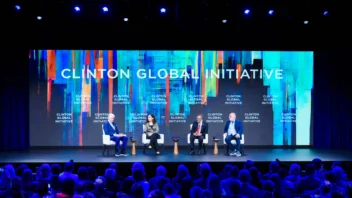
What is the Clinton Global Initiative?
CGI is more than a conference — it’s a catalyst for change. Since 2005, we’ve helped set the annual international development agenda and have proven that the biggest global challenges can be solved through community, collaboration, and a commitment to action.
A UNIQUE MODEL
Convene
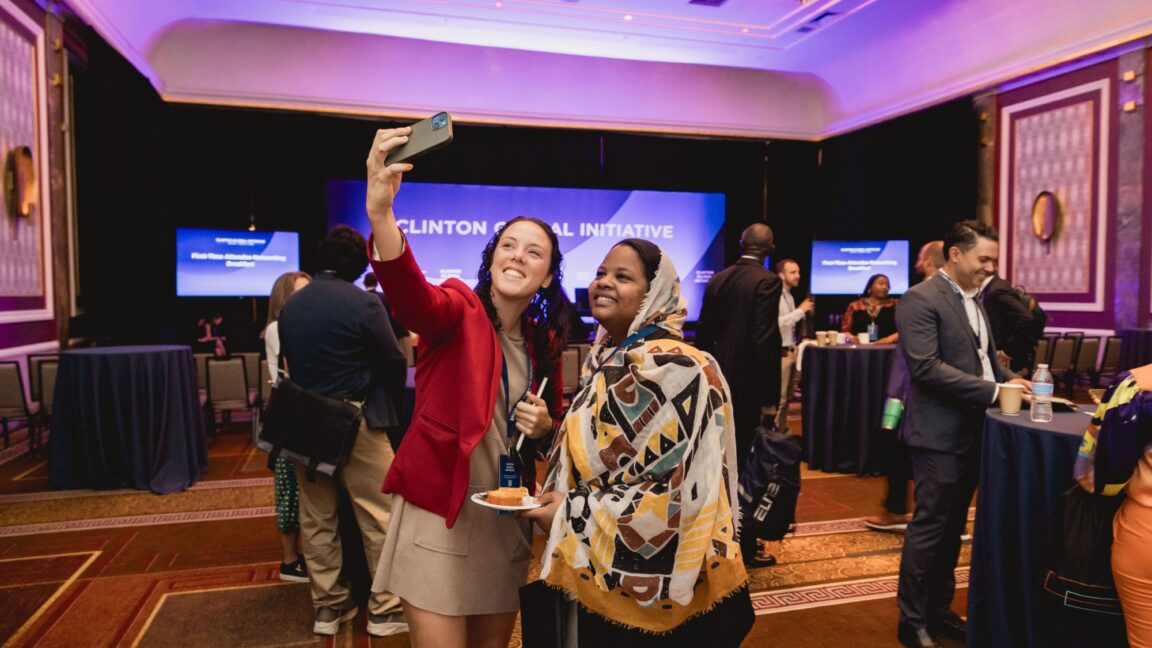
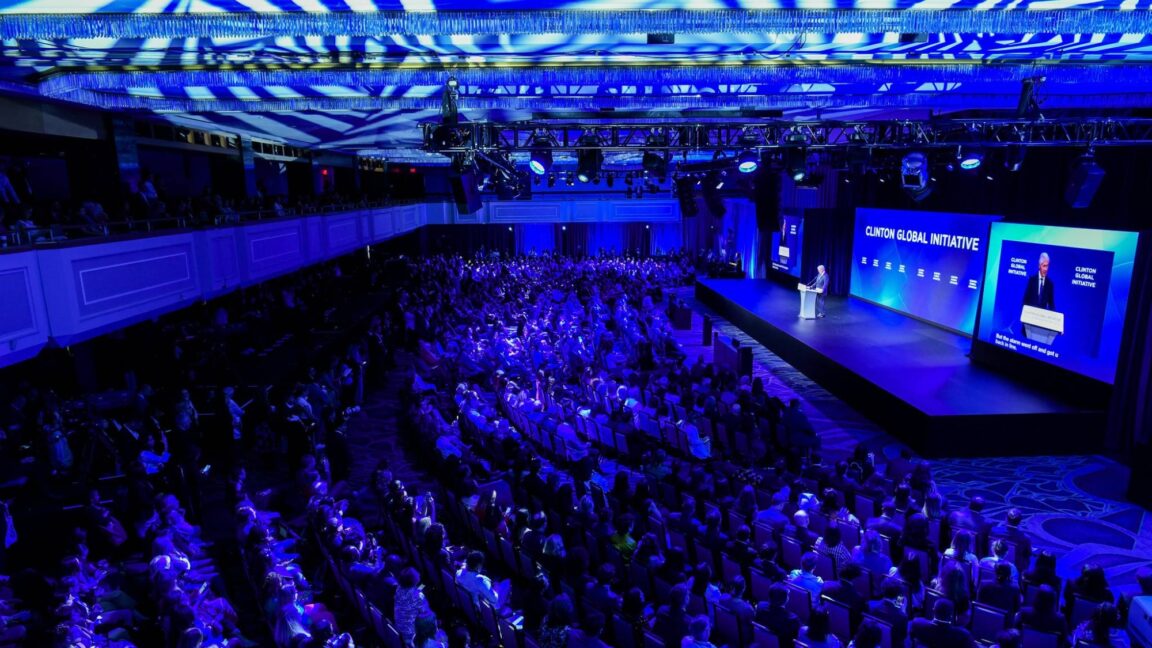
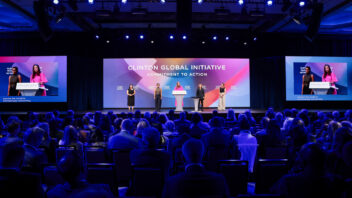
Through its flagship Annual Meeting and year-round engagements, CGI brings together leaders of nonprofit and philanthropic organizations; prominent voices in business, labor, and finance; youth leaders and grassroots activists; heads of state and prominent government officials; global citizens; and more.
Connect
Solutions to many of the world’s challenges are already out there. CGI supports participating leaders and organizations by identifying potential new partners for their work, providing technical support, and highlighting approaches that have the potential to scale.
Catalyze
CGI participants create Commitments to Action to address pressing global challenges, with a particular focus on actions that can make a difference today, tomorrow, and this year.
Impact
-
500M
PEOPLE
benefiting from 4,300+ Commitments to Action in 180 countries
-
13,000
PARTNERS
from across the public, private, and nonprofit sectors
Recognition





JOIN US
Be part of the global community turning commitments into action. At the Clinton Global Initiative, we bring together leaders, innovators, and doers from across sectors to take on the world’s most pressing challenges.
Learn more about CGI 2026
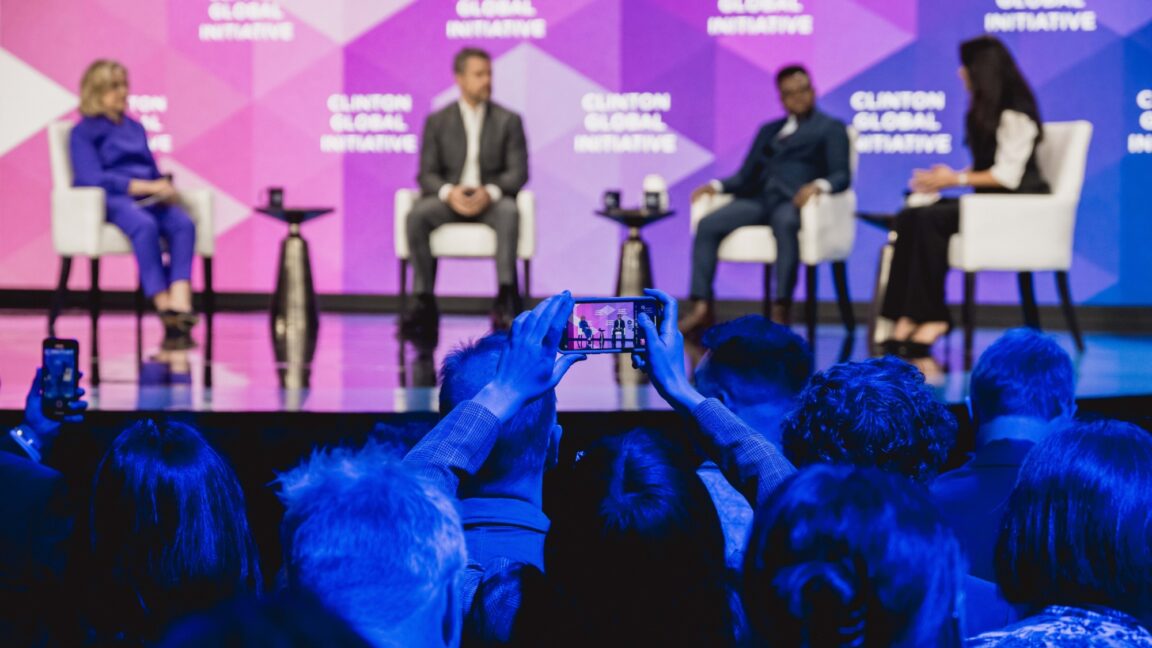
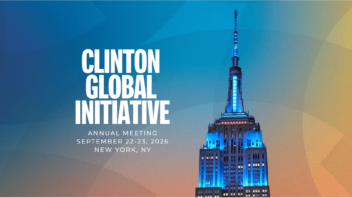
This fall, leaders from around the world will come together at CGI 2026 to share ideas, forge new partnerships, and turn commitments into action. View the agenda and learn more about the event.
Attend the Annual Meeting
CGI is a global community of people and organizations committed to getting things done. Discover how you can connect with fellow doers and find opportunities to turn ideas into meaningful action.
Become a Member
Take your engagement with CGI further. Explore membership to learn how organizations can connect with a global network, collaborate across sectors, and help advance solutions to some of the world’s most urgent challenges.
Past Events
Clinton Global Initiative 2025 Annual Meeting
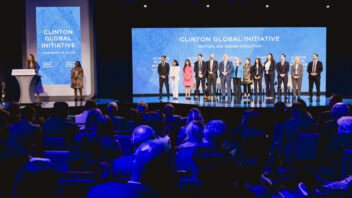
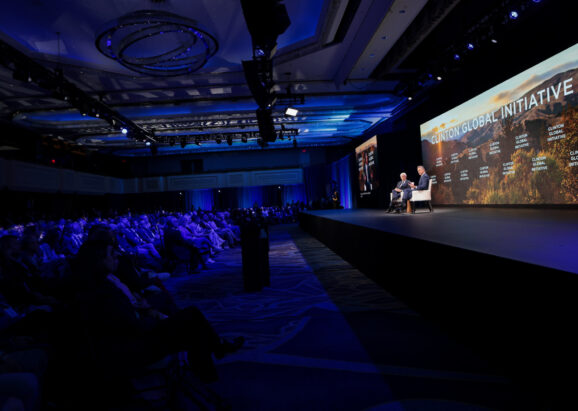
President Clinton, Secretary Clinton, and Dr. Chelsea Clinton will convene the Annual Meeting of the Clinton Global Initiative on September 24-25, 2025, in New York City, bringing together leaders from business, government, and civil society for a meeting focused on what’s working, and how we can bridge divides to solve our most urgent crises.

Clinton Global Initiative 2024 Annual Meeting
Focusing on climate resilience, economic inclusion, health equity, humanitarian response, and gender equality, the theme of the 2024 meeting, “What’s Working?” highlighted successful solutions at the forefront of global challenges. The event emphasized opportunities for scaling, partnership, and replication.

Clinton Global Initiative 2023 Annual Meeting
The theme of the 2023 meeting, “Keep Going,” brought together leaders from the public, private, and philanthropic sectors to focus on both new and ongoing Commitments to Action. It was a reminder to the global community to continue moving forward, even in the face of inevitable challenges.

Clinton Global Initiative 2022 Annual Meeting
CGI’s first annual meeting since 2016 focused on “The Business of How,” emphasizing the importance of understanding the challenges we face while finding ways to create meaningful impact. The 2022 meeting explored strategies to launch, support, and amplify Commitments to Action.
Clinton Global Initiative 2025 Annual Meeting
President Clinton, Secretary Clinton, and Dr. Chelsea Clinton will convene the Annual Meeting of the Clinton Global Initiative on September 24-25, 2025, in New York City, bringing together leaders from business, government, and civil society for a meeting focused on what’s working, and how we can bridge divides to solve our most urgent crises.
Clinton Global Initiative 2024 Annual Meeting
Focusing on climate resilience, economic inclusion, health equity, humanitarian response, and gender equality, the theme of the 2024 meeting, “What’s Working?” highlighted successful solutions at the forefront of global challenges. The event emphasized opportunities for scaling, partnership, and replication.
Clinton Global Initiative 2023 Annual Meeting
The theme of the 2023 meeting, “Keep Going,” brought together leaders from the public, private, and philanthropic sectors to focus on both new and ongoing Commitments to Action. It was a reminder to the global community to continue moving forward, even in the face of inevitable challenges.
Clinton Global Initiative 2022 Annual Meeting
CGI’s first annual meeting since 2016 focused on “The Business of How,” emphasizing the importance of understanding the challenges we face while finding ways to create meaningful impact. The 2022 meeting explored strategies to launch, support, and amplify Commitments to Action.
Focus Areas
We bring together established and emerging global leaders to create and implement solutions to the world’s most pressing challenges, driving urgent action and innovation on:
Action Networks
CGI Action Networks address specific challenges that require urgent response. Through these networks, participating leaders and organizations can share knowledge, support, and resources — and sustain deliberate attention and action.
Communities
What are Commitments to Action?
Our “community of doers” partner to develop CGI Commitments to Action — new, specific, and measurable projects and programs to advance climate resilience, economic inclusion, health equity, humanitarian response, women and girls’ equality, and more.
Featured Commitments
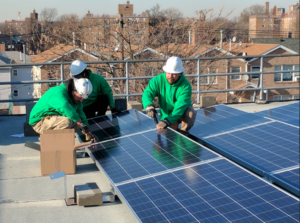
In the wake of widespread devastation from Hurricane Sandy, Global Green USA with partners the Schmidt Family Foundation and IKEA committed to install back up solar energy systems at community centers in New York and New Jersey. The Solar for Sandy initiative served as a model for resilient and cost-effective energy systems across the northeastern United States.

At 25 years old, Dr. David Fajgenbaum had only days to live — until he found a cure that was hiding in plain sight. In 2022, his non-profit organization Every Cure committed to create an open-source database of drug repurposing opportunities to give others the same chance at treatment and survival. Since launching at CGI, Every Cure has secured millions in federal and foundational funding to expand its work.
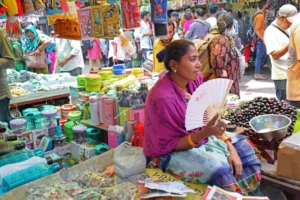
As the single largest Central Trade Union, the Self Employed Women’s Assocation committed to advancing women-led climate adaptation and mitigation solutions while providing dignified livelihoods for some of its 3.2 million members. SEWA is enabling a green just transition while creating economic opportunities for informal sector women workers and their tiny and microenterprises.
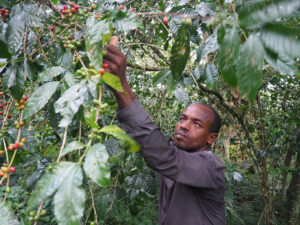
TechnoServe committed to putting farmers and small businesses at the heart of creating a more people-, nature-, and climate-positive world. Through Regenerate 30, TechnoServe provides training on climate adaptation and resilience to increase farmer incomes while reducing millions of tons of CO2 emissions annually.
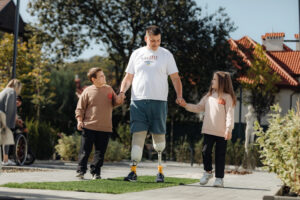
To serve both civilians and military personnel alike, Superhumans committed to refurbish and equip the Veterans’ Hospital in Lviv to be a state-of-the-art facility providing prostheses, facial reconstruction surgery, and post-traumatic stress disorder support to victims of the Russia-Ukraine war.
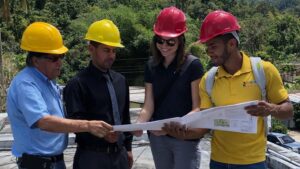
After Hurricanes Maria and Irma strained health centers in rural and remote communities in Puerto Rico, Direct Relief committed to install solar + storage systems to restore services and maintain the continuity of care in the future. Solar Saves Lives maintains the long-term resilience of these facilities and the people they care for, regardless of their access to the power grid.
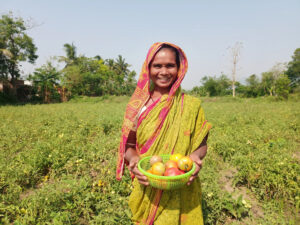
To elevate women’s status as income-earners and community leaders, Asia Initiatives committed to connect women in rural India to urban markets to sell their home-grown produce. Through tactical training and support groups and linking rural villages with urban supply chains, the program not only improves the lives and dignity for women program members but ultimately their families and their entire villages.
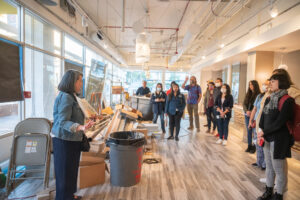
After the COVID-19 pandemic caused seismic economic shifts, Pacific Community Ventures (PCV) saw an opportunity to drive intergenerational wealth for small businesses, people of color, women, immigrants, and refugees. Through the Good Jobs Innovation Lab, PCV is providing capital and technical assistance to small businesses to sustain good, green jobs while influencing policies and impact investing toward greater racial equity and economic opportunities.
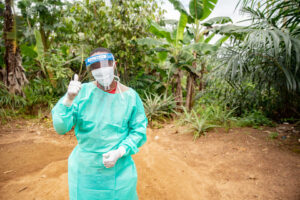
To address health care gaps in remote communities in Liberia, Ethiopia, and Sierra Leone, Last Mile Health committed to training and professionalizing community health workers who provide primary health services to their friends and neighbors. By upskilling this community health workforce and increasing the number of paid female workers, the program will both advance gender equity and strengthen health systems.

To revitalize Detroit and financially empower homeowners, Community Reinvestment Fund committed to launch the Detroit Home Mortage to provide $40 million in second mortgages to 1,000 homebuyers to fund home repairs. Through home improvement and borrower education, homebuyers received the support they needed to utilize the funds and complete their rehab projects.

AFL-CIO and state pension funds committed to find ways to invest pension funds in infrastructure projects. The result has yielded billions of dollars in new infrastructure spending — including the redevelopment of LaGuardia Airport in New York City – and an increase in good jobs.
Browse Commitments
Commitments to Action are made, implemented, and tracked by partners. CGI is a program dedicated to forging new partnerships, providing technical support, and elevating compelling models with potential to scale. CGI does not directly fund or implement these projects.
Powering Nature-Positive Renewable Energy Parks
In 2023, OX2 committed to replicate and scale its proven nature-positive business model to ensure that all its …
Lancet Commission on GBV and Maltreatment of Young People
The Lancet Commission on Gender-Based Violence and the Maltreatment of Young People commits to pathbreaking report on the …
Empowering Women in Agriculture
In 2019, Batey Relief Alliance committed to launch a holistic women’s empowerment initiative in Dominican Republic that will …
Safe School Journeys for Adolescents
In September 2023, FIA Foundation made a commitment to support implementation partners to scale-up proven injury prevention measures …
Growing Charitable Giving Past the 2% GDP Ceiling
In 2025, GoFundMe, Inc committed to launch a series of product innovations and collaborations with nonprofit partners in …
Mobilize Philanthropic Community to Respond to Aid Cuts
In 2025, GlobalGiving committed to providing at least $1 million in flexible funding by the end of 2026 …


Follow CGI on social media